this link is to an external site that may or may not meet accessibility guidelines.
October 31, 2020 at 05:06PM
https://ift.tt/34Kahcl
10 of the Best Hot Springs in the United States - Travel+Leisure
https://ift.tt/386HPRZ
mineral water
this link is to an external site that may or may not meet accessibility guidelines.

Dave Korstad and Izzy Shu and several other graduate business and design students at the California College of the Arts found common cause around making almond milk by hand.
It wasn’t easy back in 2015.
However, they have combined their interest in healthy lifestyles into a fast-growing business.
JOI, short for “Just One Ingredient,” also is a proxy for the “natural” specialty foods slice of the grocery market that is the darling of the otherwise slow-grow grocery trade. JOI also operates virtually, thanks to the internet, over which most of its almond milk is sold. And the three principals, including Korstad and Shu, who are married and operate from the Twin Cities, run the 11-person company from Miami, suburban St. Paul and California.
The now-growing team spent the first couple years developing the product and process and slowly building sales. JOI has been fueled since 2019 by $2.1 million from individual investors.
JOI expects to break $3 million in sales this year, up from $450,000 in 2019.
“We thought we’d hit $5 million this year,” said Korstad, 30, an Augsburg University graduate who is chief product officer. “But our wholesale business, such as restaurants and smoothie shops, took a COVID hit this year.”
The founders, led by Tony Jimenez, 40, of Miami, chose almond milk, later adding cashew milk, because of long-standing interest in plant-based food.
They had issues with cow-based milk, ranging from high cholesterol and stomach troubles, to a desire to lower their carbon footprint.
“The milk market in particular was ripe for disruption,” Jimenez told the Miami Herald earlier this year. “It was dominated by two brands ... [giving] you a lot of water, gums, additives and emulsifiers. That’s what the world knew as almond milk.”
The liquid category is led by Silk and Almond Breeze. Modest Mylk of New York produces a concentrate.
“We don’t have a true, direct competitor,” Korstad said.
JOI’s founders invested two years developing today’s lightweight concentrate with a “cookie dough” consistency that mixes with water, and has a shelf life of 18 months. The company said JOI contains seven times the amount of protein and five times the amount of fiber as regular milk.
The secret sauce is JOI’s ability “to masticate and blend almonds” so they don’t cook themselves.
“We have a manufacturer that produces the product for us in northern California,’’ Korstad said. ‘‘We use a cold-milling process, so we don’t need to add anything to the product. It’s 100% almonds or cashews. It’s broken down to a base or paste.”
JOI has picked up commercial accounts, as well as online consumers, who range from three-shop Penny’s Coffee in Minneapolis, to Oster, which this fall, started giving away JOI discount coupons in each of its hand blenders at Target. It’s also available on Walmart.com.
“We want JOI to be a top plant-based company in the food industry,” Korstad said. “A customer can buy it and put their spin on it, for recipes, to make dips, and sauces with other ingredients. We also want walk into a Starbucks [one day] and order coffee with JOI in it. We just want to help a lot of people have access to healthier foods.”
Korstad said JOI will control growth so it soon can achieve profitability.
JOI is pricier than regular milk but comparable to Silk and Almond Breeze at about $2 per quart.
“And we reduce packaging waste by 80% and it’s shipped to your door,” Korstad said. “It sits in your pantry until you want your fresh almond milk.’’
The plant-based world has been dominated publicly by companies that produce direct replacements for meats, eggs and dairy that use “bio-mimicry” to replicate the taste and texture of meat from the likes of jackfruit and tofu.
This has become a significant category worth billions of dollars in annual sales.
The 2019 annual report of the Good Food Institute, an industry-research organization, said between 2017 and 2019 retail sales of plant-based meat grew 31%, while total U.S. retail meat sales grew just 5%. Companies such as Beyond Meat and Impossible Foods have raised hundreds of millions in investor capital.
The cheese and milk replacement markets are smaller but growing smartly.
Korstad and Shu seem to enjoy the mercurial entrepreneurial ride, including the first years of no paychecks and long hours. Shu, a digital designer and strategist, also worked for a business consultancy until a year ago.
They live with Korstad’s parents after moving to Minnesota this year from California.
SAN FRANCISCO — Costco will reportedly no longer sell coconut milk after suppliers were accused of forcing monkeys to pick the coconuts.
The People for the Ethical Treatment of Animals (PETA) proclaimed victory on its website after the retailer allegedly cut ties with Theppadungporn Coconut Co., the supplier in Thailand accused of using monkey labor to produce Chaokoh coconut milk.
However, the company denies any monkeys were used in the production of the milk, KABC reports.
PETA claims its investigators found "several monkey-training facilities and a coconut-picking competition" after visiting eight farms in Asia.
"Denied the freedom to move around, socialize with others, or do anything else that is important to them, these intelligent animals slowly lose their minds. Driven to desperation, they pace and circle endlessly on the barren, trash-strewn patches of dirt where they’re chained." said PETA in a statement on its website.
The organization says H-E-B and Sears have also stopped selling the Chaokoh brand of coconut milk after being alerted to the monkey labor being used.
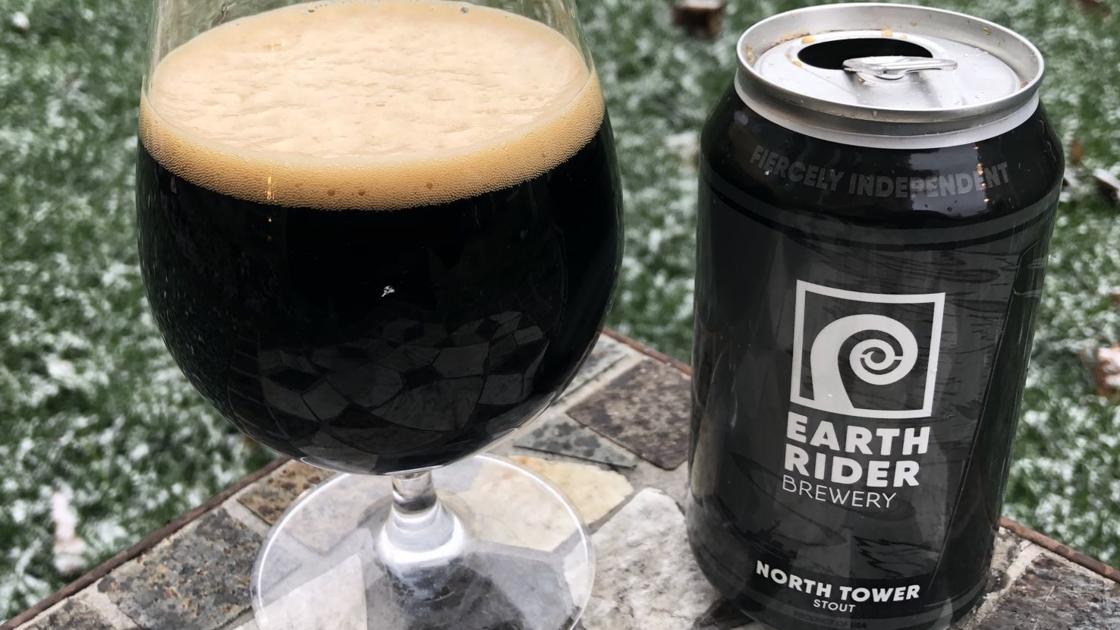
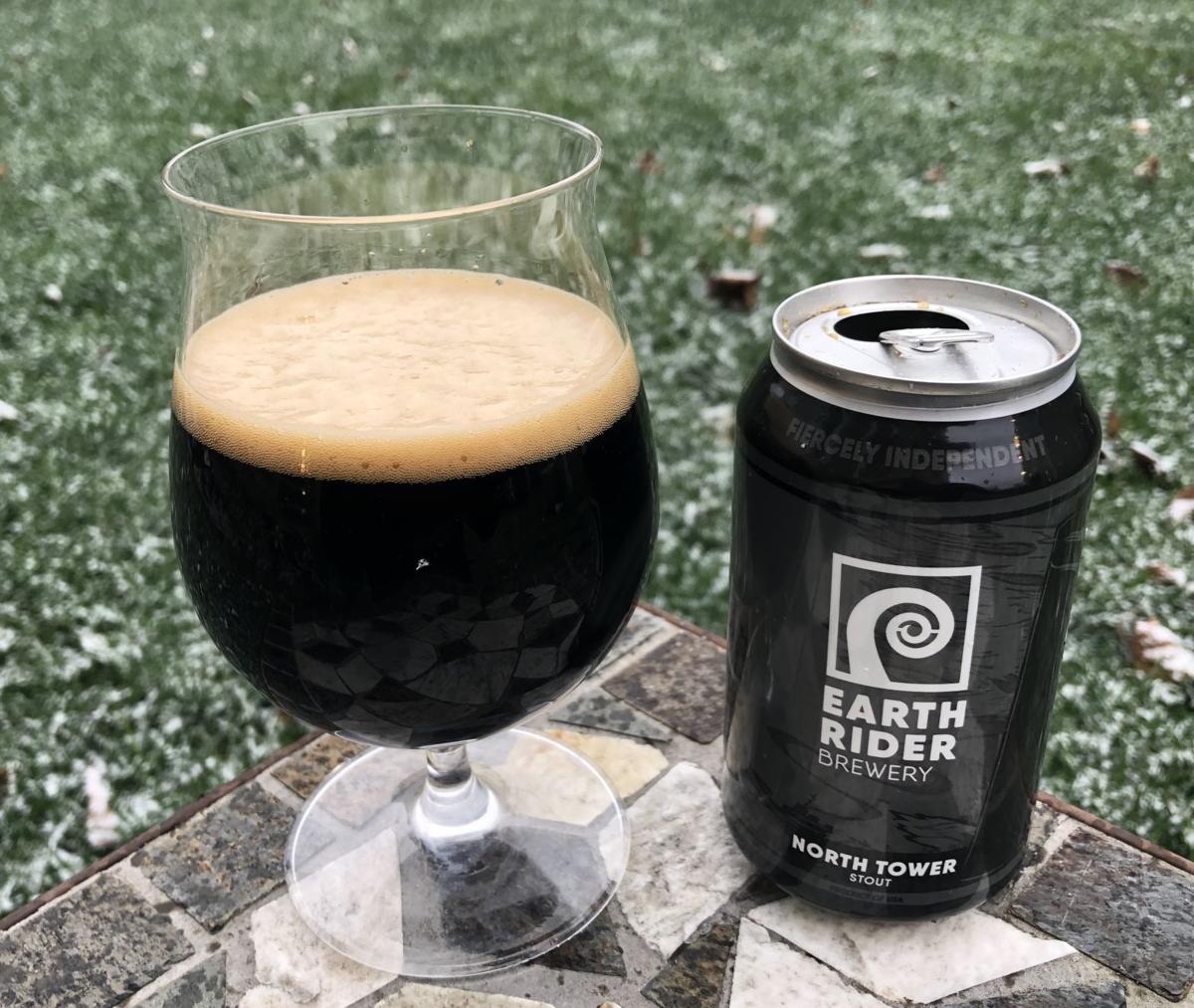
North Tower Stout by Earth Rider Beer is a deep, hearty beer that represents the North Country well.
You’ll forgive the beer geeks and industry folks across the country streaming the Great American Beer Festival’s virtual awards ceremony for the quizzical looks when Wisconsin’s winners were announced.
The four Wisconsin breweries to medal this year in craft beer’s most prestigious competition are not exactly household names (yet!), even to those who know Wisconsin’s beer scene relatively well.
One trades entirely in gluten-
free beers, an important but often overlooked niche in the beer world. One focuses on English-style ales, about as far as you can get from trendy hazy IPAs and overfruited sours. One named its brewery and many of its beers, including its medalist, with butt puns. Most of the breweries are very small, and none brewed its first drop before 2015.
But GABF’s competition is not so much where big-name breweries take victory laps as it is where breweries make their names on a national stage.
Befitting 2020, it was somewhat of a down year for Wisconsin breweries. Last year Wisconsin breweries won seven medals including as many golds (five) as the combined bronzes and silvers this year. But none of that, of course, diminishes this year’s individual honorees.
Madison’s own ALT Brew won silver, its first GABF medal, for 1808, a gluten-free robust porter named after its Wright Street address.
McFleshman’s Brewing of Appleton, which opened a gorgeous English pub-style taproom in downtown Appleton in 2018 and always has at least one cask beer on pull, won bronze for its MSB special bitter.
And H.H. Hinder Brewing — rhymes with “binder” — won bronze with a scotch ale called Wee Heavy HINDER. The small Waupaca brewery’s website invites you to come in and grab a Hinder; regular offerings include Cafe Keister, Butt Light, Red Tail Amber and B.A. Weisseass.
The biggest name in the Badger State’s winner’s circle this year was Superior’s Earth Rider Brewery, which took home two medals — for Royal Bohemian Pilsner and North Tower Stout.
Earth Rider opened in late 2017 and has grown quickly, brewing more than 3,400 barrels in the 12 months ending in August, according to filings with the state Department of Revenue. Earth Rider’s beer is sold across northern Minnesota, northwestern Wisconsin and the Twin Cities. It’s also dipped into Wisconsin’s biggest beer markets, sending beer to bottle shops in Madison and Milwaukee for a little over a year.
That’s a lot of shelf exposure, but Earth Rider also already had some GABF cred, winning a gold medal for its Duluth Coffee Pale Ale last year.
Far be it for me to confirm the work of the GABF’s more qualified judges, but both of this year’s nominees sure seem hardware-worthy. Royal Bohemian is a simple, delightful take on Czech (Bohemian) pilsner: lightly malty with a little spicy-herbal noble hop middle on a light, dry body. Just a touch of that lovely hop flavor lingers into the finish, though it’s not particularly bitter. The beer won in the keller/zwickel category, which is an unfiltered class of light lagers; Royal Bohemian has a light haze that seems to add a bit of depth here.
But, c’mon. Given the time of year, of course this week’s beer is going to be a belly-warming stout.
Style: Oatmeal stout
Brewed by: Earth Rider Beer, which has a brewery and separate taproom in the shadow of the towering silos of Superior’s sprawling port. Tower Avenue runs past the taproom and into the port.
What it’s like: Does a GABF medal-winning oatmeal stout from Wisconsin sound familiar? Yep, Madison’s Vintage Brewing won bronze in the category in 2015 for Scaredy Cat, and while there are differences between the two, if you like one, you’ll also like the other.
Where, how much: Six-packs of 12-ounce cans are usually around $10 at Madison’s finer bottle shops.
Booze factor: North Tower has a belly-warming but not overwhelming 6% ABV.
Up close: North Tower pours a good stouty black with a khaki head that lasts nicely through the glass. You’ll catch whiffs of chocolate cake with dark ganache and a gentle herbal overnote. The sip is smooth, soft and satisfying — malt and mocha-forward, with a touch of plumlike character poking through as it warms, and its moderate bitterness plays out as balanced, not sharp. Oats don’t do much to the flavor of stouts, rather imparting creaminess to the mouthfeel that is prominent in North Tower. It’s a deep, hearty beer that represents the North Country well.
Bottom line: 4½ stars (out of five)

Honestly, this could have been a list of one beer this year. I do not remember the last time I was so taken with a beer as I was with Kid Kölsch, New Glarus’ latest masterstroke. I wrote a breathless review shortly after this German-inflected ale dropped in July, and although I rarely stopped drinking it through fall, every time I came back to it, I wondered why I strayed. It’s … I mean, I don’t know if a beer can ever be perfect, but it’s delicate but flavorful (gently sweet, floral and fruity), superbly balanced, has an amazing mouthfeel and won’t get you bombed if you have three of them. That just might be perfect. If it doesn’t come back in 2020, I’ll meet you at the brewery and we can riot.
Honorable mention: I feel like I write something like this every year, but New Glarus proved again this year why it’s Wisconsin’s best brewery. In addition to its underrated (yes, underrated) year-round and seasonal lineup, it debuted two new Thumbprint beers that could have made this list on their own: Kühler, a lambic-type sour ale infused with tea and lime for an Arnold Palmer-type profile; and Berliner Apfel, a tart wheat ale fruited with Kickapoo Valley apples.

Terminal velocity is the highest speed you can achieve when falling through the Earth’s atmosphere. Gravity is always accelerating that skydiver, but at some point wind resistance takes over and she won’t go any faster. For the last few years, as the spirit barrel arms race has advanced, I’ve wondered if there’s a terminal velocity to barrel-aging beer. Most barrel-aged stouts sit in wood for six to 12 months. A few age for 18 months, and some remarkable ones -- Central Waters’ 2016 release Ardea Insignis being the most notable around here -- age for three years or a bit longer. Before I tried Black Friday V -- Lakefront’s annual imperial stout aged an astonishing 70 months in brandy barrels -- I figured this would be the beer that found it, that proved that three years and twice that long have basically the same effect. I was wrong. It was an astonishing, intensely rich beer, with an enormous amount of woody, kind of plumlike barrel character that would have overwhelmed many beers, but the 13.4% ABV Black Friday was up to the task. This $100 bottle, sadly, was only available at the brewery on the day after Thanksgiving, and given how these barrels essentially got lost for a while, I wouldn’t count on it coming back anytime soon.
Honorable mention: One of the most underrated beers in Central Waters’ Brewers Reserve series of barrel-aged beers is its Bourbon Barrel Barleywine, and this fall the brewery’s annual release, aged for about a year in bourbon barrels, was joined by a limited amount of BBB aged two years and three years in the barrels. Sold on draft and in cans only at the brewery, the flight was a fascinating study in what time and wood does to a beer, the three-year variant being my favorite. And the best anniversary beer I had this year -- albeit just a short pour -- was Tyranena Twenty, an imperial stout aged in bourbon barrels, with a portion aged further in Madeira barrels. That exotic fortified wine barrel came through in just the right amount, adding a vinous finish to a typically exceptional stout from Tyranena.

As a beer writer in Wisconsin, the Great American Beer Festival judging contest should be confirming what I already know about Wisconsin beer -- like the 2019 silver medal awarded to Third Space Brewing’s Unite the Clans Scottish ale. Yeah, I know, that’s an excellent beer. But this year GABF medals opened my eyes to one beer in particular I was overlooking: this hazy IPA from Milwaukee’s City Lights Brewing. My read on City Lights’ beers had been solid but not essential, sound but not all that interesting. Hazy IPA wrecked that assessment. It’s a spot on iteration of the style, as I’ve come to expect from City Lights, but where its other beers seemed to capture the outline of their styles but not their potential, Hazy IPA is a dynamo. It’s a tropical-citrus bomb placed second out of 348 entries, in GABF’s most popular style. And to think, it won that accolade with zero consideration to its value proposition, a nice feather in its cap at $8-$10 per six-pack.

This May, I rode one of those pedal tavern things for a work outing. I wasn’t particularly proud of it until I was a couple beers in and having fun. Like, a lot of fun. I don’t regret it. And the fun fuel for myself and a few of my fellow pedalers that evening was this easy-drinking but nuanced sour ale. MobCraft makes it using the solera method in which each batch is blended with a blend of all previous batches, imparting some of the microorganisms that give the beer its unique flavor profile. There’s a touch of funk underneath a bright, lemony-citrus, gently tart character. If that sounds like a winner for a summer beer, you’re right. Low pHunk was a go-to patio and golf course this summer even before it won gold at GABF in the American-style sour ale category.

What can a landmark scotch ale in the local beer scene do to be a Beer of the Year nearly 20 years after its first release? It can survive. This summer, Lake Louie was acquired by Wisconsin Brewing, bringing two of Wisconsin beer’s greatest characters -- Tom Porter and Kirby Nelson -- under one roof. The deal came at a time when Lake Louie had been sloughing sales and staff as Porter battled through health problems and Wisconsin Brewing was retooling and diversifying its business. In late October, Porter and Nelson presided over delivery of the first batch of Warped Speed made and -- in a change -- canned at Wisconsin Brewing’s brewery in Verona. The beer inside is better than ever: A smooth, caramelly but perfectly balanced scotch ale that begs for another, bigger swallow. And to think, all this came after it won the Beer Bracket last spring. What a year!

I liked but didn’t love my four-pack of Glazer Bean, but it’s still a slam-dunk Beer of the Year because it could be the dawn of a game-changing opportunity for Karben4. The coffee chocolate stout, brewed in collaboration with and exclusively for Kwik Trip, puts Karben4 in an elevated position in the beer coolers of hundreds of convenience stores across the state. If sales are strong enough -- and after a blitz at its November launch, the beer had a tough time staying in stock -- there’s also a chance for an ongoing series featuring Kwik Trip products. Who knows, there are hundreds more Kwik Trips in neighboring states, too. See you next time, indeed.
Honorable mention: When I visited Karben4 to talk Glazer Bean with brewmaster Ryan Koga, I wasn’t expecting to come home with three stories. The second: K4’s series of Barely Beer, fruited lagers that clock in around 3.1% ABV -- feather-light but big in fruit flavor. I took home a strawberry lemonade version that reminded me of the best parts of the Naturdays trend of 2019 and a cranberry-apple Barely Beer that was perfect at the Thanksgiving night card table. The third: This winter K4 became the second Madison brewery to join the hard seltzer wars, launching four flavors of a 4% ABV sparkling water. Between this and Ale Asylum’s Stray Forth label, launched in August, I don’t think this is a story I’m going to be able to avoid much longer. Stay tuned.

I have not been crazy about the milkshake IPA craze, in which a beer that was maybe identifiable as an IPA is dosed with lactose and vanilla, rendering it definitely not identifiable as an IPA, and usually souped up further with some fruit. But, dang it if sometime around midsummer, this doozy from the Octopi Brewing-based Untitled Art label squarely hit the mark. Sweet, creamy and fruity, I’m guessing as much from the hops as from the apricot. And it wasn’t even called an IPA! Hats off to that. If the powers that be at Untitled Art decide to make this one again -- they often don’t repeat beers -- I’ll be buying it again.
Honorable mention: Beer should be fun, and UA’s Rocket Popsicle Sour did that with flying colors this summer. Just in time for the Fourth of July, this neon blue raspberry sour was pretty tasty but looked very awesome in the glass.

The craft light lager trend continued robustly this year, and Lakefront Lager set Wisconsin’s bar for the style -- apologies to Ale Asylum’s Keep ‘er Movin’, a 2018 Beer of the Year. Light pale lager needs no explanation; it’s the most popular style in the world, and for a reason. And Lakefront Lager nails that formula -- a little sweet, a little bitter, and easy to drink -- most notably with a fantastic noble hop aroma. Besides Kid Kölsch, it was probably the beer I drank the most of this year. And I don’t even have a boat.
Got a beer you’d like the Beer Baron to pop the cap on? Contact Chris Drosner at chrisdrosner@gmail.com or follow him on Twitter @WIbeerbaron.
Receive the latest in local entertainment news in your inbox weekly!


Image: Viatek
TL;DR: Bring the bar home with a Tapology 6-Pack Cooler Microfoam Beer Tap for $79.99, a 32% savings as of Oct. 31.
After a long day, nothing beats settling into your favorite chair and cracking open a beer. But imagine if you could get your favorite beer at home and on-demand — in delicious tap form.
The Tapology Microfoam Beer Tap looks like a cooler but works to transform canned beer into high-quality tap beer. All you have to do is pop six cans of your beer of choice into the insulated cooler.
As a bonus, the insulated cooler keeps beer ice cold until you drink all six cans through the tap. It's also portable, which means it's perfect for outdoor hangouts. Since it's battery-operated you won't have to worry about plugging it into an outlet.
This microfoam beer tap normally costs $119, but you can get it on sale for just $79.99 for a limited time.


NEWBURGH, Ind. – Right now, at the Jennings Street Public House, General Manager Nate Cavender has a big jar of pumpkin chunks macerating in Bourbon with ginger, orange peels, maple syrup, allspice, cloves, cinnamon sticks and nutmeg. This mixture, and many other homemade syrups and flavorings, will be used to craft specialty house cocktails.
“I’ll come in and there might be a crockpot of pumpkin or whatever under the bar,” said owner Nick Burch. “I’m like, ‘What are we doing here?’ and Nate says, ‘Don’t worry about it; it’s not done yet.’ The whole idea is playing with combinations of flavors and being creative.”
More: Stay Hungry: new Henderson BBQ, Pints for Polio at new pub and more in food news
More: The Landing: creative pub food with a view in Newburgh
More: Henderson Juice Co. offers far more than juice and smoothies
Burch is a beer brewer who has worked at Carson’s Brewery and Damsel Brew Pub. He teamed up with Matt Easterling, a beer and beverage salesman, to open the Jennings Street Public House.
The two had talked about owning a bar together and started working on it a year ago, settling into the Jennings Station space formerly occupied by The Tin Fish.
They finished the basement bar, and then COVID hit. When the art gallery in the upstairs area moved out, they took advantage of the downtime and remodeled that space into a bar as well and finally opened in September.
The Jennings Street Public House is a cocktail bar, with a focus on spirits and craft cocktails using fresh and house-made ingredients. Wine and eight taps of rotating craft and domestic beer are certainly available, but creative mixology is the name of the game here.
“I want to do the drinks right,” Cavender said. “We use fresh juice, make the syrups and put the extra effort into it. Some places make cocktails that cover up the flavor of the liquor, and we don’t. We want you to taste it; it’s part of the cocktail.”
Cavender and bartender Terra Meyer shop for fresh fruit for juices and flavorings.
“We shop at the Oriental groceries a lot,” he said. “Today I got Thai basil; I always get my citrus there, and if I see something I can’t live without, which happens a lot, I’ll get it. Terra’s doing something with fresh cranberries this week, or sometimes she’ll bring something from her garden.”
Some other interesting housemade cocktail ingredients are:
Habanero Honey and Pepper vodka – “One week I made a spicy honey for a spicy margarita, and I had extra habaneros so I made some pepper vodka for people who like their bloody mary spicy,” said Cavender. “It comes with a warning because it is really hot.”
Grapefruit liqueur – “We used vodka to make a grapefruit liqueur,” Burch said. “We soaked the peels for about two weeks, then sweetened it, added grapefruit juice, cloves and hibiscus.”
Nutmeg and chile syrup – This sweet and spicy concoction is made with arbol chiles for a sweet syrup with a fiery hit of dried red chili flavor.
Cavender makes the house Bloody Mary mix and even the grenadine, using pomegranate molasses, pomegranate juice and demerara sugar.
All these goodies and other upscale ingredients, such as real Luxardo cherries, go into signature cocktails or weekend specials, for example:
The Night Watchman – Goslings Black Seal Rum with nutmeg and chile syrup, fresh lime and orange juices and orange bitters.
The Gin Basil Smash – Aviation Gin, fresh lemon, simple syrup, basil.
The Maple Old Fashioned – Ezra Brooks Bourbon, maple syrup, allspice dram.
Whiskey Cobbler – Autumn spiced bourbon, cranberry syrup, allspice dram, orange bitters.
The cocktail menu will change every three or four months, and Cavender and Meyer start every weekend by each coming up with a special drink to serve for two days only. Of course, classic cocktails are available, and any you wish for can be made.
“A lot of customers are excited to come in and try new things and experiment,” Burch said. “That’s our market; we also have hundreds of bottles of liquor to use in cocktails and can always switch it up if someone asks.”
Over 100 of those bottles are Bourbon, from perennial favorites to rare and hard-to-acquire bottles.
Next up, look for barrel-aged cocktails, which will be mixed and then aged in glass with a charred barrel stave until infused with an oaky flavor, then finished to order with more fresh ingredients.
The business is still growing and evolving, and big changes will be the norm for the next year.
Table service is now available so you can order your drinks without coming up to the bar. The basement bar will soon be ready for events and groups.
Food trucks pull up to the bar on weekends, but in 2021 Burch and Cavender hope to start preparing their own food. A side room will be finished as a prep kitchen, to first offer a sandwich menu and later, possibly food to order.
For the time being, customers may bring food in with them. Some grab restaurant carryout or delivery, and some bring a crockpot from home and enjoy their favorite soup with a cocktail side. A microwave and a drawer full of condiment packs, napkins and single-use silverware are provided.
The Jennings Street Public House is at 300 W. Jennings St., Newburgh
Phone: 812-518-4007
Hours:
Thursday 4-10 p.m.
Friday 3-11 p.m,
Saturday Noon-11 p.m,
Sunday Noon-9 p.m,
Read or Share this story: https://ift.tt/3kLWfMG

Wine bores have a lot to answer for. Partly thanks to their arcane and often self-satisfied musings, the myth that wine is an elitist drink persists.
But it is certainly a myth — at least in the UK. In a YouGov poll last year, 2,000 UK consumers were asked to name their favourite alcoholic drink. Twenty-eight per cent chose wine, while only 23 per cent chose beer and 20 per cent spirits (presumably the rest were teetotal or cider drinkers). Yet almost half said they assumed that the country’s favourite alcoholic drink was beer.
Politicians still tend to think of beer as the vote-catching drink — even in France, where former president Jacques Chirac always insisted on beer when drinking in public. Successive British chancellors — for similar reasons, I suspect — have taxed beer far more leniently than wine. But they are all way out of date.
I vividly remember the first time I saw wine being poured without comment in an episode of the popular British soap Coronation Street, way back in the last century. Ever since the 1970s, when Brits started to take regular cheap package holidays abroad and could pull wine bottles off a supermarket shelf without having to go into a special shop and pronounce all those foreign names, fermented grape juice has been part of normal life for many millions. Today, there are 33 million wine drinkers in the UK.
Yet the government has increased taxes on wine by 39 per cent in the past 10 years, while taxes on beer and spirits have risen 16 per cent and 27 per cent, respectively. Perhaps it would be a vote-winner if wine drinkers were treated more kindly?
One indicator of just how far down the socio-economic ladder wine has penetrated is the average retail price of wine in the UK. The national average for bottles bought off a shelf is £6.22. (It was £5.73 just two years ago but the sliding pound and rising duty have taken the average price of this largely imported product above £6 for the first time.) Of the £6.22, £2.23 is duty and a further £1.04 VAT, leaving a grand total of just £2.95 for the packaging, transport, retailer’s margin and the wine itself.
According to research company Wine Intelligence, 72 per cent of British adults who earn £20,000-£30,000 a year drink wine at least once a week. In a survey they conducted in July, of 2,000 Americans who regard themselves as regular wine drinkers, 24 per cent earned less than $40,000 a year. Wine is a blue-collar drink.
Like policymakers, many members of the wine trade are also out of date. Those selling wine tend to be pretty keen on what they sell. Many get themselves a wine qualification or two and generally educate themselves to a level above that of the average consumer, thereby putting themselves out of touch with how the majority — especially younger people — view wine. Most people, I suspect, are far more interested in being told how a wine will make them feel than in how it was made.
For someone who sells wine for a living, it’s no great sweat to have a corkscrew at home. But do wine merchants ever stop to think about the craziness of selling something that needs a special instrument to access its contents? Or the madness of shipping inexpensive wine around the world in such a heavy, fragile, carbon-emitting and space-guzzling package as a glass bottle?
There is great merit in encouraging alternative, less precious ways of presenting wine. Cans have become hugely popular in the US. Why not elsewhere? Cartons, pouches and pouches in cartons all seem to make perfect sense for the sort of wine that makes up the vast majority that is sold.
Wine writers are in a bit of bind when it comes to recommending what could be called “everyday” wine. Supermarkets tend to have the lowest prices because they wield such buying power. But we are naturally inclined to champion the independent retailers because they can provide much better service and tend to offer better wine overall, though their prices tend to be higher.
Before recommending what looks like a bargain, I often wonder whether the supermarket has really treated the supplier fairly. I expect other commentators do too.
For the wines I recommend (below), I was clearly not party to the negotiations that resulted in what look like exceptionally good prices. I know that port and particularly sherry producers have long granted ridiculously low prices to supermarkets on the basis that they do at least move stock (I would recommend Waitrose’s own-label sherries in particular).
I feel a bit more confident about recommending inexpensive wines from The Wine Society because the mission of this historic British wine-buying co-operative is explicitly not to maximise profits.
The price of basic wine is unlikely to rise any time soon. Despite dramatic increases in online wine sales and reports that alcohol consumption at home has risen, as a result of Covid-19 restrictions, there are many producers who have been left with surplus stock, not least because their restaurant sales have evaporated and because of the 25 per cent import tariffs imposed by the US last October. Expect wine prices all the way up the scale to soften.
WHITES AND A ROSÉ
• Cramele Recaš, Wine Atlas Feteasca Regala 2019 Romania
£5.25 Asda 11.5%
• Marques del Norte Brut 2018 Cava
£6 Asda 13%
• Drouet Frères, La Marinière 2019 Muscadet
£6.49 Waitrose 12%
• Terra Madre Catarratto 2019 Sicily
£6.50 Co-op 13%
• Via Vinera, Heritage Misket 2019 Bulgaria
£6.95 The Wine Society 13%
• Quai de la Lune Sauvignon Blanc 2019 Bordeaux
£6.99 Waitrose until November 3 (usual price £9.39) 13%
• Mitravelas, White on Grey Moschofilero 2019 Greece
£7.95 The Wine Society 12%
• Côtes du Rhône Rosé 2019 Southern Rhône
£8 Marks and Spencer 13%
• Poderi dal Nespoli 1929 Famoso 2019 Emilia-Romagna
£8 Marks and Spencer 12%
• Ch L’Oiselinière de la Ramée sur Lie 2018 Muscadet-Sèvre et Maine
£8.50 The Wine Society 12%
• Mineralstein Riesling 2019 Germany
£9.50 Marks and Spencer 12%
REDS
• Terrenal Garnacha 2019 Spain
£6 Marks and Spencer 14.5%
• Trivento, Reserve Malbec 2019 Mendoza
£8 Tesco 13.5%
• Ch du Rival 2018 Bordeaux
£8.50 Stone, Vine & Sun 14%
• Via Vinera Heritage Mavrud 2017 Bulgaria
£8.50 The Wine Society 13.5%
• Les Pierres Dorées, Cuvée Louis Dépagneux 2018 Beaujolais
£8.50 The Wine Society 12.5%
• Le Ralle 2017 Aglianico del Vulture
£8.95 The Wine Society 13%
• Stobi Vranec 2018 North Macedonia
£8.95 Tanners 15%
• Yerevan Winemaker’s Blend 2016 Armenia
£9.95 Tanners 12.5%
More stockists from Wine-searcher.com. Tasting notes on Purple Pages of JancisRobinson.com
Follow Jancis on Twitter @JancisRobinson
Follow @FTMag on Twitter to find out about our latest stories first. Listen to our podcast, Culture Call, where FT editors and special guests discuss life and art in the time of coronavirus. Subscribe on Apple, Spotify, or wherever you listen.
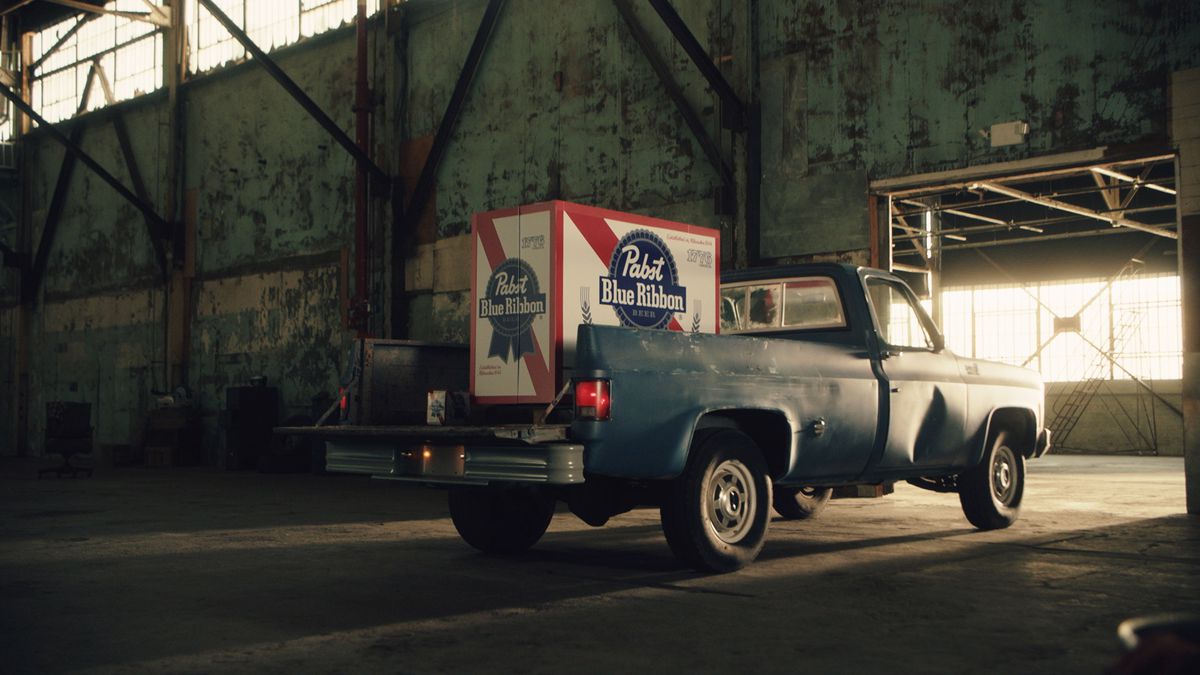
sela.indah.link PBR Created a 1,776-Can Pack of Beer | Food & Wine Skip to content ...