Rechercher dans ce blog

Friday, April 2, 2021

Augmented Reality for Craft Beer Industry, Packaging to Follow - PRNewswire

sela.indah.link

GEELONG, Australia, April 2, 2021 /PRNewswire/ -- A high-tech concept that turns product packaging into interactive 'virtual' displays could help to drive craft beer's popularity even higher, with today's announcement that the technology would roll out to the industry in 2021.

The platform, aptly named BEERSCANS™ has been developed for the industry and is a tool for brewers to offer a unique virtual experience, from every beer label.


The concept uses smartphones to scan labels, and augmented reality to project content back onto the can or bottle.

Dave Chaffey, from Third Aurora, the company behind the platform, said the "wow factor" is a powerful drawcard, to attract customers.

"The augmented reality is just incredible. You literally see jaws drop. "

"It really captures the imagination."

"That's the razzle dazzle. It's the team behind it all that are the real stars of the show. "

Storytelling, authenticity draws consumers

The company is pitching the concept to consumers as a way to discover the backstory – the people, processes, and place behind their favourite beer.

Point of sale materials will dare consumers to bring their beer to life, as well as challenging them to 'unlock' the story behind the beer.

See demonstration on the BEERSCANS™ website

According to Chaffey, BEERSCANS™ is a great fit for the craft beer industry.

"This is all about delivering a great experience, one that's a bit different."

"It's informative, and entertaining – and it's with real people, telling their story straight their own product. That authentic mix is where consumers see value, said Chaffey" and we think it aligns well with the craft beer movement."

"The consumer response has been strong; we can see a pathway to bring the concept to every craft beer."

Intriguing opportunities

Whilst the focus is on the customer, a range of additional features make it hard to ignore the intriguing commercial opportunities:

  • Promotions
  • Capturing Sales
  • Social media connection
  • Activation of all inventories

On that last point, Chaffey interjects – "Ok, this is great."

"Forget QR codes. The smartphone app uses image recognition technology to analyse the detail of cans and bottles – effectively identifying products by 'sight', the same way you or I would."

"A business only has to upload one label for our system to learn, and then every identical label across the world activates. Whether it's from the latest batch, or an old bottle that's been in a fridge for ten years."

If the label looks the same, it's active.

Rollout Dates

BEERSCANS™ is set launch in Q3 of 2021, capping the initial release to fifty US brands. Interested parties are encouraged to visit Beerscans.com, to register an expression of interest.

Media Enquiries

Media Contact: Dave Chaffey, Parner, Third Aurora & BEERSCANS™

Via Media Center: beerscans.com/media/

Phone: +61 1300 633 390

BEERSCANS™ is a product of Third Aurora – a Collaborative Tech Engine, supported by Innovative technology by Vuforia Engine.

SOURCE Third Aurora


April 02, 2021 at 07:44PM
https://ift.tt/3wnW9Ba

Augmented Reality for Craft Beer Industry, Packaging to Follow - PRNewswire

https://ift.tt/2NyjRFM
Beer

National Beer Day: 5 Orlando brews to fill your cooler - Orlando Sentinel

sela.indah.link

The new place is airy — a sleek, 4,500-square foot operation with gleaming tanks and cement floors and a restaurant license, so you can grab a panini with your flight if you’d like. Within the next month, though, the food offerings will expand as the team behind Michael’s Ali Coal-Fired Pizza and Mac’d Out, both with locations in Winter Garden and Clermont, will be bringing pizza and mac-and-cheese concepts to Three Odd Guys.


April 02, 2021 at 04:02PM
https://ift.tt/39AyzHU

National Beer Day: 5 Orlando brews to fill your cooler - Orlando Sentinel

https://ift.tt/2NyjRFM
Beer

A Simple, DIY Ginger Beer Recipe | Wine Enthusiast - Wine Enthusiast Magazine Online

sela.indah.link

A precursor to the ginger ale that lines soda aisles today, ginger beer is believed to have been first created in Great Britain around the mid-1700s.  Its name comes from the fermentation process that gives the drink its carbonation, though it’s actually more akin to cider production. In the traditional process, the drink would start with a ginger “plant,” or yeast and bacteria culture not unlike a sourdough starter, which could be maintained and used to create countless batches.

As ginger cultivation grew across the globe, the drink became particularly popular in the Caribbean, where strong, pungent varieties of the root created a signature style with more heat and spice than its predecessors. Now used as the backbone of classic cocktails like the Moscow Mule and Dark n’ Stormy, ginger beer’s popularity has resurged over the past decade with countless new brands popping up on the market.

While traditional yeast-fermented ginger beer can be lightly alcoholic, most commercial bottlings are non-alcoholic, unless labeled otherwise.

You can use yeast to create a naturally carbonated ginger beer at home with a slight kick of alcohol, though we’re opting for a force carbonated version here for simplicity (and less tedious sanitization and risk of exploding bottles). All it takes is a SodaStream, iSi soda siphon or other brand of home carbonator, or even just a bottle of soda water as a mixer.

If you’re interested in diving into the yeast-based brewing process for future batches, you can find a quick primer here.

Grated ginger, whole ginger, cinnamon, limes, cloves and other ingredients on marble countertop
Photo by Katrin Björk

Ingredients

  • 1 pound fresh ginger
  • 2 teaspoons cloves
  • 3 cinnamon sticks
  • ½ cup honey, preferably orange blossom
  • ½ cup brown sugar
  • 4 limes, squeezed
  • 8 dashes Angostura bitters
  • 2 teaspoons orange flower water (optional)

Directions

Peel skin off ginger using spoon, then grate or finely dice. Add ginger to pot with 2 quarts water, cloves and cinnamon sticks. Bring to simmer over medium heat for 5 minutes. Remove from heat and allow to steep refrigerated overnight.

Strainer over pitcher with ginger mash inside, juice below
Photo by Katrin Björk

Strain mixture through cheesecloth or mesh strainer, and pour back into pot. Squeeze or press remaining ginger mash in the strainer to get the remaining, highly concentrated juice out.

Hand squeeshing juice from cheesecloth full of ginger mash over pitcher
Photo by Katrin Björk

Bring liquid back to a low simmer, then stir in honey and brown sugar until fully dissolved.

Remove from heat and allow to cool. Add freshly squeezed lime juice, Angostura bitters and orange flower water. Stir, and refrigerate for at least 2 hours, until chilled.

Ginger beer in black Sodastream being carbonated
Photo by Katrin Björk

Add mixture to soda siphon to carbonate. If using SodaStream or machine meant primarily for sparkling water, as opposed to a soda siphon, use short bursts of carbonation, up to about half what it would take to carbonate water. Alternatively, after adding sugar and honey, can simmer until amount of liquid is reduced by half. To serve, mix concentrated ginger beer base with equal parts seltzer. Makes 2 quarts.


April 02, 2021 at 06:02PM
https://ift.tt/2QZtimG

A Simple, DIY Ginger Beer Recipe | Wine Enthusiast - Wine Enthusiast Magazine Online

https://ift.tt/2NyjRFM
Beer

Super Sassicaia: an iconic wine turns 50 - Financial Times

sela.indah.link

There aren’t many wines with quite the cachet of the Super Tuscan Sassicaia. Fêted by critics, adored by the Obamas, Beckhams and the Clooneys – and sought after by collectors – it changed the course of Italian winemaking when it launched 50 years ago, paving the way for a new generation of bordeaux-style blends grown in a part of Tuscany hitherto only known for so-so Sangiovese. 

Sassicaia is, indisputably, an icon – yet it almost didn’t see the light of day. “When my grandfather first began experimenting with Cabernet Sauvignon in the 1940s, it was only ever with the intention of making a ‘family’ wine,” says Priscilla Incisa della Rocchetta, the 46-year-old co-owner of Tenuta San Guido, the family estate in Bolgheri that makes Sassicaia. “When my father, Nicolò, suggested selling it to the public, my grandfather was resistant to the idea – he just didn’t think there was an opportunity for a wine like this.”

Sassicaia fan Barack Obama, in 2014
Sassicaia fan Barack Obama, in 2014 © Getty Images
The Sassicaia bottle signed by George Clooney at Da Ivo, Venice

Incisa della Rocchetta’s father got his way, and in 1971 Sassicaia made its debut with the 1968. Classed simply as a vino da tavola (“table wine”), it was met with scepticism at first. But by the end of the decade, the buzz around this new breed of cab blends from Bolgheri had started to build. By the mid-’80s, Sassicaia, Tignanello and Ornellaia were widely dubbed the Super Tuscans. And, in 1994, Bolgheri’s reputation was cemented with its own appellation – and within that, Sassicaia was recognised with its own DOC.

IDespite its success, Tenuta San Guido has always maintained an alluringly low profile. It’s not open to the public, and the estate does little marketing. And Sassicaia’s 50th anniversary year, by all accounts, will be no different. It’s not being marked with a special label or a new wine. Just the release of the 2018 – a vintage which Incisa della Rocchetta describes as fittingly classic: “It was a fresh, cool vintage, which is the kind of vintage we like – less about concentration and sugar and alcohol content, and more about finesse and elegance.”

Made from a blend of 85 per cent Cabernet Sauvignon and 15 per cent Cabernet Franc, the anniversary vintage has a wonderful vitality to it: vivid red and black berry notes, hints of herbs and citrus. The tannins are silky, the oak subtle, and there’s a slight salinity on the finish – regarded by many as a hallmark of its coastal terroir. It is, in a word, mouthwatering.

Sassicaia is renowned for its ageing potential – some vintages can go on improving for 20 years or more. Incisa della Rocchetta predicts that the 2018 will be one of those. “It’s still a baby at this point. Having said that, Sassicaia is a wine that can also be enjoyed young, because it is generally very well balanced. The number eight has always been a lucky vintage for us,” she smiles. “The 2018 represents us very well.”

@alicelascelles


April 02, 2021 at 03:30PM
https://ift.tt/3udryo4

Super Sassicaia: an iconic wine turns 50 - Financial Times

https://ift.tt/31lUVcw
Wine

Thursday, April 1, 2021

Division Wine Co. packs for a big move, ending an era - OregonLive

sela.indah.link

Big news on the Portland urban wine scene: Kate Norris and Thomas Monroe are moving their Southeast Wine Collective and Division Wine Co. operations to a new location. April 17 is the final day at the Southeast 35th Place location they’ve called home for the past nine years.

Norris and Monroe released their first Division Wine Co. wine, a rosé of pinot noir, on July 28, 2011. Those first Division wines were made at Methven Family Vineyards in Dayton. The winemaking duo moved into what is now the Southeast Wine Collective in September 2012.

“We hilariously thought the space was going to be too big for our needs,” Norris said.

The Southeast Wine Collective captured national attention as Norris and Monroe made Division wines while hosting a small handful of custom crush clients under their roof. The addition of Oui Wine Bar + Restaurant, with chef Althea Grey Potter, turned the Southeast Wine Collective into a popular Portland food and wine destination spot.

Between wine bar traffic, the growing number of winemakers at the collective and the desire to grow their own Division Wine Co. brand, Norris and Monroe felt the crush. “We’ve loved being here, but we’ve clearly outgrown the space,” Norris said.

Even though their lease is up at the end of April, Norris and Monroe say the owner’s broker promised what Norris describes as “ample time” before needing to move out. Norris and Monroe planned to use the time design their new winery.

Those plans changed in an instant.

“They got an offer they couldn’t refuse and needed us to move immediately. The owner has been reasonable, but it did come as a shock that we only had about 40 days to figure out the move,” Norris said.

Norris and Monroe are currently finalizing plans for a new urban winery that is twice the size of their current location. The new Portland winery location will be revealed when the deal is finalized, hopefully, Norris says, by the end of April. The Southeast Wine Collective name will be retired in favor of something new, although Norris admits, “we haven’t quite figured that part out yet.”

Until they move into their new urban winery, Division Wine Co. and their resident wineries will operate at a currently undisclosed location in Southeast Portland. The temporary location is where Norris and Monroe will host tastings and wine club events this summer. Additional events will be held at Cassin Vineyard in the Willamette Valley.

The Southeast Wine Collective’s wine club will continue uninterrupted during the move, along with the ability to make online purchases of wines from Division and other resident wineries.

In the meantime, Southeast Wine Collective fans have until April 17 to purchase those last glasses of wine at their favorite urban winery. Norris, Monroe and their team have lined up a series of 60 and 90-minute tasting experiences that allow small groups to take over the facility for wine, appetizers and farewell tours. Tasting reservations through April 17 are available through the online service Tock.

divisionwineco.com or info@divisionwineco.com.

-- Michael Alberty writes about wine for The Oregonian/OregonLive. He can be reached at malberty0@gmail.com. To read more of his coverage, go to oregonlive.com/wine.


April 02, 2021 at 12:01AM
https://ift.tt/2PS6a8T

Division Wine Co. packs for a big move, ending an era - OregonLive

https://ift.tt/31lUVcw
Wine

The 6 Best Red Wines For Sangria, Straight From Wine Experts - Women's Health

sela.indah.link
cold refreshing sangria with fruits on rustic wooden table

fcafotodigitalGetty Images

Kicking back with a cool glass of red sangria is pretty much the perfect way to spend a summer evening. And, if you’ve never made it yourself, it’s time to change that (don't worry if you're not usually the bartender in your friend group—there's really not a set "recipe," and you can customize it and add whatever fruit and spices you like).

The traditional Spanish punch features delicious slices of fruit floating in a wine base. Add some sugar and a little brandy, and you’re ready to enjoy a little sip of heaven.

Here’s the thing: Even though recipe for red sangria is pretty basic, there are a lot of different ways you can create it. Everybody seems to have their go-to method of selecting the wine, first of all. Some, like Regine T. Rousseau, founder of wine and spirits marketing and events company Shall We Wine, likes to start with a quality wine. “Nothing too expensive, but something that you would drink anyway,” she says. “I’ve heard people say ‘I want a cheap wine.’ Why would you do that? Don’t spend $100 on a wine for sangria, but definitely use a good, quality wine.”

But Maria C. Hunt, wine journalist, educator, and author of The Bubbly Bar: Champagne and Sparkling Wine Cocktails for Every Occasion, says that “sangria is a great way to use up little leftover wine, or a new wine that you tried, but didn’t quite fall in love with.” Noted—definitely have a few of those bottles hanging around.

Basically, your wine base is pretty flexible. One thing to keep in mind, though, according to Rousseau: You’ll want something dry. “That wine will balance out the sweetness and all of the other ingredients,” she says. Otherwise, your sangria might taste too sugary sweet and take you back to your college days of bottled red sangria from the corner store.

Once you've got your wine in there, you’ll want to use fruits that add texture to each glass. “Mix it up—crunchy pink lady apples to more of a firm mango and citrus,” Rousseau says. You can also soak your fruit in brandy or rum and infuse a seasoning like cinnamon, rosemary, or thyme, before you add it to your drink, she says.

Next comes the sugary stuff. “Typically a sangria will include some sweetener, either sugar or some lemon soda,” Hunt says. “But the way you make yours is a matter of personal preference.” And, if you really want to make your sangria pop, you’ll put it all together at least a couple of hours before you plan to serve it (or drink it yourself), Hunt says. “That gives the spices time to release their flavors and for the fruit to soak up some of the wine and spirits,” she adds.

But, of course, it all starts with the star of the show: the wine (which, in most cases, you can order straight to your door. Have a wine subscription? Even better). The experts swear these are some of the best red wines for summer sangria.

1. Rioja

    Rioja is actually crafted from a blend of grapes, including Tempranillo, Rousseau says. The wine has a slightly spicy taste with some cherry undertones that make it a good balance for fruit.

    Marqués De Cáceres Crianza Rioja

    Marqués De Cáceres Drizly

    $12.99

      2. Garnacha

      Garnacha is a medium-bodied wine that has a little more alcohol than others. It also ranges from dry to semi-sweet, Rousseau says.

      Las Rocas Garnacha 2014

      Las Rocas Drizly

      $12.00

      3. California Red Blend

      A red blend typically has a few different flavors in the mix, including cherry, plum, cedar, and vanilla—and they all taste amazing in sangria. Hunt is a fan of this one.

      McBride Sisters Collection 2018 Central Coast California Red Blend

      mcbridesisters.com

      $18.99

      4. Gamay Noir

      This type of red is light-bodied and super similar in taste to Pinot Noir. If you’re looking to spend a little more, Hunt suggests this Gamay Noir from Oregon’s Willemette Valley.

      2019 Division Gamay Noir

      Division Wine Co divisionwineco.com

      $28.00

      5. Tempranillo

      Tempranillo is a full-bodied Spanish wine made from black grapes. It usually has some fruity undertones, like cherry and raspberry.

      2018 Limited Release Tempranillo

      Ironstone Vineyards ironstonevineyards.com

      $26.00

      6. Pinot Noir

      Like Gamay Noir, Pinot Noir is a lighter-bodied red wine. Typically, it incorporates flavors like cherry and raspberry, along with woody notes, that make it yummy on its own—or in sangria.

      2018 West Pole Pinot Noir

      Boheme Wines vinespring.com

      $36.00

      This content is created and maintained by a third party, and imported onto this page to help users provide their email addresses. You may be able to find more information about this and similar content at piano.io


      April 02, 2021 at 02:09AM
      https://ift.tt/3rDTakJ

      The 6 Best Red Wines For Sangria, Straight From Wine Experts - Women's Health

      https://ift.tt/31lUVcw
      Wine

      Baseball Is Back, So Grab Your Hot Dog And A Beer. Just Keep A Safe Distance - NPR

      sela.indah.link

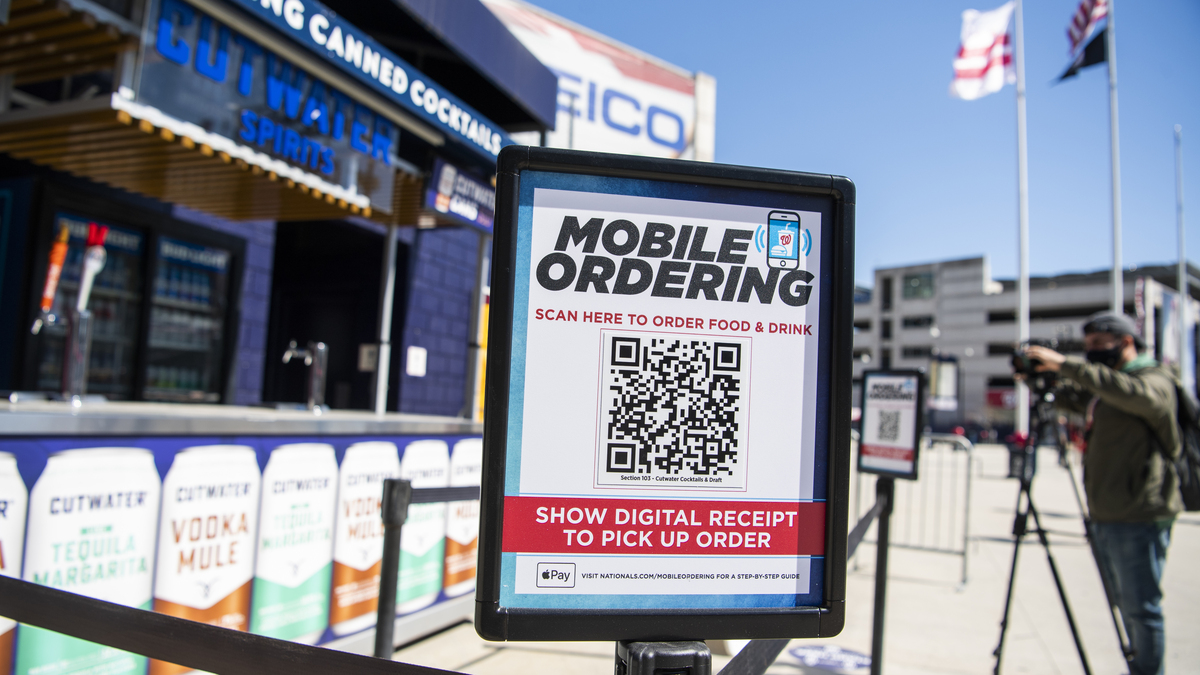
      A mobile ordering sign is seen on March 30 at a vending station in Nationals Park, home of the Washington Nationals. The Nats, along with many other teams in baseball, are implementing new safety protocols, including for ordering food, as a new season kicks off on Thursday. Tom Williams/CQ-Roll Call, Inc via Getty Imag hide caption

      toggle caption
      Tom Williams/CQ-Roll Call, Inc via Getty Imag

      A mobile ordering sign is seen on March 30 at a vending station in Nationals Park, home of the Washington Nationals. The Nats, along with many other teams in baseball, are implementing new safety protocols, including for ordering food, as a new season kicks off on Thursday.

      Tom Williams/CQ-Roll Call, Inc via Getty Imag

      Hot dogs. Peanuts. Cold Beer. Food – especially the unhealthy kind – has long been an indelible part of the baseball fan experience.

      And as a new baseball season kicks off, all those ballpark staples will still be available. How that food gets to you, however, will be a different matter.

      With the Major League Baseball season starting off with much reduced capacity at most ballparks and with social distancing rules, teams have had to think hard about how to interact with their fans.

      Attendance limits have been put in place by all teams except for the Texas Rangers, with most at or below 50% capacity.

      "Things are going to be definitely different," says Jonathan Stahl, vice president of experience and hospitality for the Washington Nationals.

      "We want to limit the interaction between our staff and our guests, which is something that we generally never think of because we want to increase the interaction between the staff and our guests," he adds. "But in this situation, safety has to be the number one priority."

      (In fact, the Nationals had to postpone its Opening Day game against the New York Mets after one player tested positive for the coronavirus, according to a report on Thursday in The Washington Post).

      Some of these changes are likely to be welcomed by fans. Standing in long lines at concession stands, for example.

      That's because fans will be encouraged to use mobile apps to order concessions that they can go pick up at set locations. At some ballparks, fans will even be able to have the food or drink delivered to them at their seats, given that limited capacity and social distancing makes it easier to walk through the rows.

      But other changes will likely be missed.

      Aramark, which provides food and beverage service for nine MLB teams, will eliminate self-serve soda fountains and condiment trays at its venues.

      Ballparks are also going cashless, which means fans will no longer pass a $20 bill down the aisle to pay a vendor and get their hot dog handed down the row in return.

      A Wrigley Field employee puts up cautionary signs outside of the ballpark on Opening Day for the Chicago Cubs. Baseball teams are implementing safety measures and social distancing rules as they welcome back fans. Shafkat Anowar/AP hide caption

      toggle caption
      Shafkat Anowar/AP

      A Wrigley Field employee puts up cautionary signs outside of the ballpark on Opening Day for the Chicago Cubs. Baseball teams are implementing safety measures and social distancing rules as they welcome back fans.

      Shafkat Anowar/AP

      And that other cherished tradition of having vendors walk up and down the aisle yelling "Ice, cold beer!"? Well, depending on the ballpark, it could be a practice that will be banned.

      For vendors themselves, all the changes also mean a moment of trepidation.

      Vince Pesha, for example, fondly remembers his first day as a peanut vendor at Chicago's Wrigley Field in 1969. He says many of the vendors love the interactions with the fans.

      "We have singing vendors, we have people that are actors. So, you know, we have a lot of people that are characters," he says.

      And then there are the tips.

      Pesha would know. He himself started out selling peanuts.

      "I was happy. I made $40, which in my opinion was a lot of money at the time," Pesha recalls about his first day at Wrigley.

      Now, after 25 years as a vendor, Pesha has hung up his tray and represents some of his former co-workers as a union official.

      He says many are concerned about contracting COVID-19.

      "Older vendors are a little apprehensive about coming in," Pesha says. "They're a little worried about it. So they're using their seniority and saying, 'I'm going to wait and see what happens.'"

      But others welcome the chance of being back to the ballpark after being laid off last year.

      Deedee Reed, for example, has worked at Dodger Stadium in Los Angeles since 1991 where she started at 18 as a cashier.

      Over the years, she's held various positions, most recently as the manager of one of the stadium's outdoor bars.

      Last year, Reed and some 40,000 other stadium workers across the country found themselves without a job.

      "It was stressful, every day just wondering, are we going to have enough to pay our rent? Are we going to have enough to pay our bills to buy food? It was scary," she said.

      Now, she's looking forward to Opening Day.

      "Oh yeah, I'm going back," she says, though she admits: "I don't know what to expect when I get back."

      For baseball teams, it all means a fine balancing act.

      After going an entire season without fans, teams are keen to have them back.

      MLB Commissioner Rob Manfred told sports business publication Sportico last year that the league's 30 teams were expected to post opperational losses of up to $3 billion.

      For baseball teams, ballpark-related sales such as tickets, concessions and parking account for about 40% of total revenues.

      Stahl at the Nationals is pleading for patience, noting most measures are, for now, intended as temporary in the hopes of gradually opening up ballparks to more fans.

      "Hopefully by the summer or the fall will be as close back to normal as possible," Stahl said.

      And just maybe, going back to normal could mean a packed stadium, and putting your arms around a complete stranger during the seventh-inning stretch, and back to the traditional baseball experience fans have grown to love.


      April 02, 2021 at 12:52AM
      https://ift.tt/3mfi1u6

      Baseball Is Back, So Grab Your Hot Dog And A Beer. Just Keep A Safe Distance - NPR

      https://ift.tt/2NyjRFM
      Beer

      Featured Post

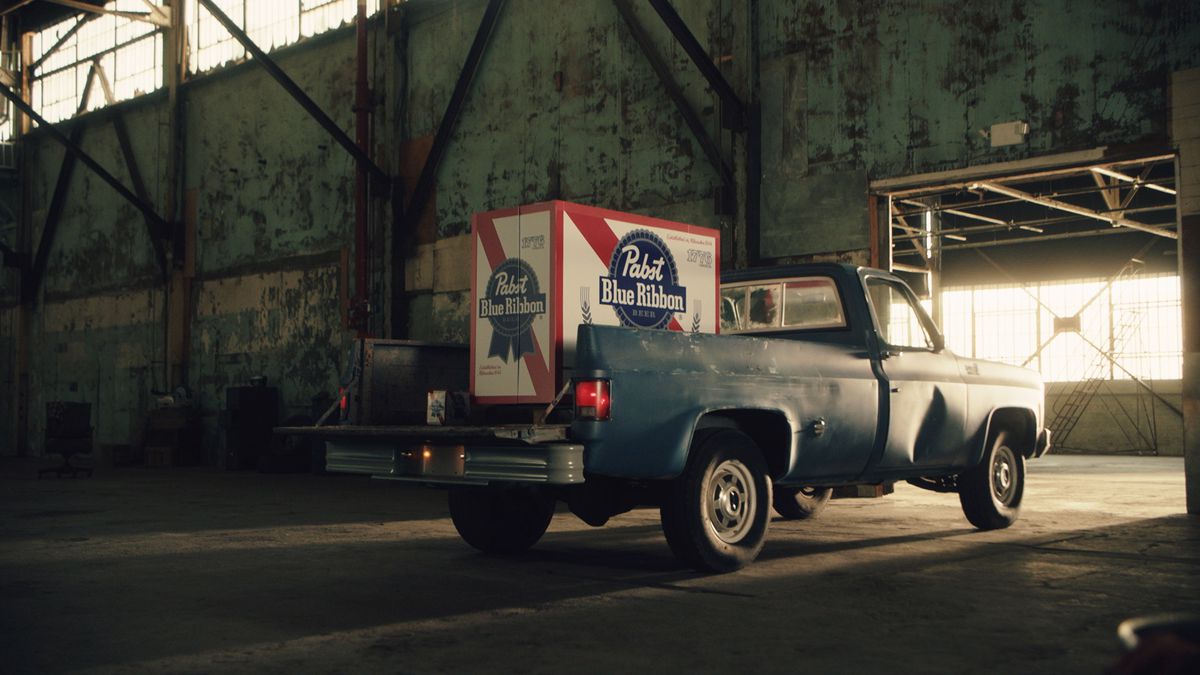
      PBR Created a 1776-Can Pack of Beer | Food & Wine - Food & Wine

      sela.indah.link PBR Created a 1,776-Can Pack of Beer | Food & Wine Skip to content ...

      Popular Posts