Rechercher dans ce blog

Thursday, April 29, 2021

Dogfish Head's Beer & Benevolence Program Gives Back With New Initiatives - Brewbound.com

sela.indah.link

Milton, Del.  Since its inception, Dogfish Head Craft Brewery’s philanthropic Beer & Benevolence (B&B) program has focused on giving back to the coastal Delaware community through creative collaborations with nonprofit organizations. With its B&B program, Dogfish Head endeavors to foster community, nourish artistic advancement and cultivate environmental stewardship, and partners with local nonprofits that share those same ideals. In 2020, the B&B program supported 70+ nonprofits with monetary and product donations, contributing $350K+ to the coastal Delaware community it calls home. This year, Dogfish Head’s B&B program takes its work to the next level with a series of beverage-centric initiatives, including a lineup of limited-edition beer releases benefitting local nonprofits, the introduction of a special “Benevolence Tap” and the implementation of its “Cocktail for a Cause” program.

“Each year, we work to support our community in every way we can – through events benefitting local charities, like our Dogfish Dash that benefits The Nature Conservancy’s Delaware chapter; our ‘tour team tips,’ through which our tour and Tasting Room team graciously donates all its tips to local nonprofits; Benevolence Day, a day when we close our coastal Delaware properties and all co-workers engage in local volunteer opportunities; and community pledges, like our $50K pledge to theLewes-Rehoboth Canal Improvement Association’s Grove Park Dock project,” said Mariah Calagione, Dogfish Head Co-Founder & Communitarian. “Obviously, 2020 was an unprecedented year, but I’m beyond proud of what our B&B program was able to accomplish, despite a global pandemic, and I can’t wait to see what the future holds.”

This year, Dogfish Head’s B&B program will continue to support the Delaware community with events, donations and volunteerism. In addition, the brewery will implement a handful of more beer and cocktail-centric initiatives that allow co-workers to further support local nonprofits in new and exciting ways. First, Dogfish Head will release a series of four limited-edition, benevolence beers from its Rehoboth brewpub,Brewings & Eats. Each launching in 4pk/16oz cans, these beers will be conceptualized and brewed in partnership with a local nonprofit, with a portion of the beer’s proceeds benefitting the collaborating organization. Dogfish Head kicked off this project in March with Binoculager, an amber lager brewed with toasted sunflower seeds, pumpkin seeds and flax seeds. The perfect beer for birding enthusiasts, it was created in collaboration with theAmerican Birding Association (ABA) and Delmarva Birding Weekends, and its proceeds benefitted theABA.

Brewings & Eats’ other benevolence beer releases include the following off-centered ales:

  • Pontoon Lagoon – Making its debut on Saturday, May 15,Pontoon Lagoon is a gose-style ale with prickly pear, hand-harvested pickleweed and localHenlopen Sea Salt. Proceeds to benefit theDelaware Center for the Inland Bays.
  • In Tandem– Being created in collaboration withRevelation Craft Brewing Company, In Tandem launches in mid-September and will benefit the Sussex County Land Trust. More details to come.
  • Lastly,Dogfish Head Brewings & Eats will partner with Delaware Wild Lands on a limited-edition beer slated for release later this fall. Stay tuned for more.

At Dogfish Head’s Tasting Room & Kitchen in Milton, the brewery will introduce a designated “Benevolence Tap.” The brewery’s “Benevolence Tap” will feature a different small-batch beer each month, with $1 from each pint sold benefitting nonprofit organizations. In May, the “Benevolence Tap” project goes live withMore CowbeLLS, a hazy Double IPA benefitting the Leukemia & Lymphoma Society’s (LLS) Delaware chapter. In June, the “Benevolence Tap” will transition to a lemon and blueberry sour brewed in celebration of Pride Month. Proceeds to benefitDelaware Pride.

Also in celebration of Pride Month,Dogfish Head’s Chesapeake & Maine, the brewery’s seafood and cocktail spot in Rehoboth, will launch a partnership with CAMP Rehoboth. The partnership will center around the restaurant’s new “Cocktails for a Cause” program. In addition to hosting weekly Happy Hours throughout the month of June with 10% of proceeds benefittingCAMP Rehoboth, Chesapeake & Maine will feature a keg-conditioned “CAMP Cocktail” on its menu. For every “CAMP Cocktail” sold, $1 will be donated back to CAMP Rehoboth.

Dogfish Head Craft Brewery:

Dogfish Head has proudly focused on brewing beers with culinary ingredients outside the Reinheitsgebot since the day it opened as the smallest American craft brewery nearly 25 years ago.Dogfish Head has grown into a top-20 craft brewery and won numerous awards throughout the years, includingWine Enthusiast’s 2015 Brewery of the Year and the James Beard Foundation Award for 2017 Outstanding Wine, Spirits, or Beer Professional. A Delaware-based brand with Dogfish Head Brewings & Eats, an off-centered brewpub and distillery,Chesapeake & Maine, a seafood and cocktail spot, Dogfish Inn, a beer-themed inn on the harbor, and Dogfish Head Craft Brewery, a production brewery and distillery featuring theTasting Room & Kitchen and Dogfish Head Distilling Co., Dogfish Head is a supporter of theIndependent Craft Brewing Seal, the definitive icon for American craft breweries to identify themselves to be independently-owned and carry the torch of transparency, brewing innovation and the freedom of choice originally forged by brewing community pioneers. Dogfish Head currently sells beer in all 50 states and Washington D.C.

For More Information:
http://www.dogfish.com/beer-and-benevolence


April 30, 2021 at 02:59AM
https://ift.tt/3307Lgj

Dogfish Head's Beer & Benevolence Program Gives Back With New Initiatives - Brewbound.com

https://ift.tt/2NyjRFM
Beer

D.C.’s Biggest Beer Festival Plans a Comeback After Skipping 2020 - Eater DC

sela.indah.link

Snallygaster, the massive fall beer festival that Neighborhood Restaurant Group has organized in some form or fashion since 2007, is returning to D.C. this fall after sitting out 2020 due to the COVID-19 pandemic.

The beer-centric hospitality company behind Bluejacket Brewery, the Roost food hall, and bars like Shelter, Churchkey, and the Sovereign has received tentative approval to reserve a space on Pennsylvania Avenue NW for Saturday, October 9, NRG beer director Greg Engert says. Tickets will go on sale in July.

The event has traditionally been monstrous both in name — a reference to a mythical Mid-Atlantic dragon — and in the scope of drinkers, brewers, and food vendors it attracted to D.C. In 2019, Engert says, the event offered more than 400 beers from 150 breweries to a crowd of 8,000. Engert calls it “by far” the biggest beer festival in the city, and one of the largest in the country. All that gulping goes to a good cause: raising money for Arcadia’s nonprofit endeavors supporting sustainable and equitable farming practices.

Two years ago, Snallygaster switched from a pay-as-you-go format to a flat price offering customers all they could drink. Engert says the flat-priced ticket will definitely return, but other details are scarce, because NRG is still looking for breweries to participate, and it’s impossible to know what the public health guidelines will be five months from now. A return to from would include multiple stages with live music and vendors for food, wine, cider, and cocktails, in addition to a huge variety of beer.

“The best I can say it is that our goal is to keep everyone safe, happy, and healthy, while providing as close to the 2019 experience as possible,” Engert tells Eater.

The latest modifications to the city’s reopening orders, which Mayor Muriel Bowser announced earlier this week, kept indoor dining capacity capped at 25 percent. Starting in May, live entertainment venues can reopen at 25 percent capacity with a 500-person limit .

Snallygaster grew out of a 2007 Oktoberfest celebration held at NRG’s Rustico restaurant. Its first iteration under its current name took place at the Navy Yard construction site for Bluejacket in 2012, and it moved downtown a few years ago. As the craft beer scene has grown, Engert says it’s important to showcase a full scope of brewing styles available on the East Coast. NRG is “making sure that we’re not just bringing in one hazy IPA after another,” although there will be plenty of those. At its latest bar venture, Shelter, the company puts an emphasis on low-ABV beers with lots of German lagers and Czech pilsners.

For the past week, Snallygaster has been teasing fans with social media videos in an 8-bit video game style full of cryptic numbers and images of a Snallygaster in flight that looks pulled form Castlevania.


April 30, 2021 at 02:09AM
https://ift.tt/3e3RayD

D.C.’s Biggest Beer Festival Plans a Comeback After Skipping 2020 - Eater DC

https://ift.tt/2NyjRFM
Beer

Free beer for mountain bikers this weekend in Oak Ridge - WATE 6 On Your Side

sela.indah.link

KNOXVILLE, Tenn. (WATE) -- Knoxville Police said Thursday that a search team located a body believed to be that of a man reported missing earlier this month.

According to KPD, on Thursday, the Rapid Response Services Search & Rescue Team conducted a search of the wooded area behind the Bell Walker’s Crossing Apartments in an effort to locate the missing 49-year-old, Robert Milka.


April 30, 2021 at 02:59AM
https://ift.tt/3e3QJnN

Free beer for mountain bikers this weekend in Oak Ridge - WATE 6 On Your Side

https://ift.tt/2NyjRFM
Beer

Wine 101: Provence - VinePair

sela.indah.link

This episode of “Wine 101” is sponsored by Fleur de Mer Rosé. Throughout the rolling hills and valleys of Provence, fields of lavender thrive in the warm sun and fresh, crisp, seaside air. In French, Fleur de Mer means “Flower of the Sea,” and our wine celebrates the region’s famed flowers as well as its historical tradition of crafting incredible rosé wines. Each sip of Fleur de Mer Rosé engages the senses with bright fruit notes, crisp acidity, and a clean, dry finish. For a taste of true Provencal rosé wine, reach for Fleur de Mer Rosé.

In this episode of “Wine 101,” VinePair tastings director Keith Beavers discusses France’s Provence region. Listeners will learn about all the appellations that make up the region, including the largest rosé-producing appellation, Côtes de Provence. Beavers takes listeners through the five red wine varieties used to make the rosés in Provence: Grenache, Cinsault, Syrah, Mourvèdre, and Tibouren.

Tune in to become an expert on Provence and its wines.

Listen Online

Listen on Apple Podcasts

Listen on Spotify

Or Check out the Conversation Here

Keith Beavers: My name is Keith Beavers, and we just bought our first house. I know, it’s very exciting. Do you guys know there’s a lot to do when you own a house? It’s a lot.

What’s going on, wine lovers? Welcome to Episode 14 of VinePair’s “Wine 101” podcast, Season 2. My name is Keith Beavers. I’m the tastings director of VinePair, and how are you? Here we are. Provence. It’s time to figure this all out. We all love the pink stuff, and this is an O.G. moment. What is it about Provence?

I mean, who does not associate pink wine with Provence? Even if you don’t know where Provence is, even if you don’t even understand the whole Provence thing, you probably know there’s pink wine and a lot of it coming from Provence. It just so happens to be the southeastern part of France, mostly in a department called Var. I’m probably butchering the pronunciation of that.

Provence does produce the majority of the pink wine or rosé in France, and they produce a lot of it. In 2016, over a million cases of Provence rosé — that’s 12 bottles per case — a million cases of Provence rosé were exported into the U.S. That’s just the U.S. Imagine how much they drank in Provence. It’s insane. Even though this is the home or a home of rosè or pink wine, rosé didn’t begin in Provence. I have an episode in Season 1 all about how rosé is made and all that. The idea of rosé has been around for a long time. It’s just this area, because of its climatic geological position, it makes sense to make pink wine. There are 3,000 hours of sun a year in the region of Provence. That’s a lot of sun hours.

Also, even though this region does get up into some hilly areas and higher elevations towards the north, it’s basically the most Mediterranean climate. It is the Mediterranean climate. This is where the Mediterranean climate idea came from. Not really but it feels like it. It’s warm and it’s near the sea. A lot of seafood. There’s a lot of garlic, a lot of aioli going on over there. It makes sense that nice, crisp, high-acid wine would do well with the food and the climate and the lifestyle of the area. Maybe you say, “Well, Keith,” and I would say, “What’s up?” “What about white wine? Why do rosé, why not just do white wine?” I’ll say “Oh, good question.”

In the region of Provence, the people there also make red wine, and they make white wine. Just not as much as they make pink wine. The thing is, this area of France has been producing wine for such a long time, there’s not even a precise date to show when the vine began being cultivated in this area. This location in France, in the Mediterranean near northern Italy, was a land that was fought over for hundreds and hundreds of years.

The Greeks got there first, then the Gauls had a run at it. Then there are all these other eras. You had the Saracens, you had the Carolinians. Of course, the Roman Empire had a thing. There are the counts of Toulouse. The Catalans, René of Anjou, the house of Savoy, and the kingdom of Sardinia. All of these eras existed and occupied this area. That’s a lot of humans, and that’s a lot of vines being exchanged over a very long time. The variety of grapes that thrive in the Provence region are a result of the survival of the fittest varieties that have been so successful that they kept them around and made wine with them. What is really wild about the Provence region is, in Côtes de Provence alone — which we’ll get to in a second — Jedi wine master Jancis Robinson states in “The Oxford Wine Companion” that Côtes de Provence, which is one of the wine regions in this area, has no less than 13 varieties they can use in their wine. It’s very similar to a wine region just north of Provence called the southern Rhône, which we talked about before.

There are vines all over this part of France or vines of different varieties all over this part of France. This is crazy because this is history. The connection between this area and Spain and Italy is pretty intense. I wish I had time to talk about it. Interestingly enough, it does have to do with Piedmont in Barolo, which is crazy. However, the shortlist of varieties that are used predominantly in Provence are more of a reflection of the most recent occupations of that land, specifically Italy and the island of Sardinia. Interestingly enough, at one point Spain occupied Sardinia. Italy and Spain have both occupied Sardinia. There is a story that goes that there’s a grape called Grenache from Spain, and there’s a grape called Cannonau in Sardinia. Those two varieties are the same, and it has to do with the Spanish bringing, they think, the Cannonau grape to Sardinia. Being that Provence was once part of the kingdom of Sardinia, it would make sense that the varieties that were thriving on the island of Sardinia would be making their way over to Provence.

I know that’s crazy and I can’t get into a lot more of it, but I just want to give you a little slice of that. OK, one more thing. On the eastern coast of Spain, there is a wine region called Jumilla, and that region specializes in a specific variety they call Monastrell. It ripens, survives, and thrives there because of the warmth and the sun. It loves warmth and loves sun. Over in southern France, specifically in Provence, because we’re talking about Provence, there’s a variety that they use called Mourvèdre. Mourvèdre is Monastrell. There’s another connection there. Also, Syrah is a big deal in Provence and that is because the Rhône is just north. I’m going to list all these grapes and it’s going to be very clear. I just want to give you guys a sense of the density of the history here without going into all the crazy cool stories.

The wine-growing region of Provence consists of nine appellations. One of those appellations, the largest one, has four sub-appellations within it. Five of those appellations we see pretty regularly on the American market. The other four are very small and we don’t often see them on the American market. I’m not going to go into those small appellations because I don’t really have the time but we’re going to talk about what you will see. Also, as I’ve stated before, the wine-growing region of Provence produces red, white, and rosé. Rosé being the lion’s share. The big old lion of the region. In a lot of cases, the red and the white doesn’t really make it to the United States. If they do, it’s in very small quantities. Now, there is one appellation that I’m going to talk about that’s primarily red that does make it here, but for the most part, we’re talking about rosé today across the nine wine-growing appellations of Provence.

Primarily, there is a list of five red wine varieties that are used to make the rosés of this area. There’s Grenache from Spain. This is the most planted variety in Provence. The second planted grape variety, red, is a grape called Cinsault. This is native to France, and it’s usually used as a blending variety, but it can do more. Then there is Syrah, the third most planted variety in Provence. As we know, that comes from the Rhône, which is just north of Provence. Then, you have Mourvèdre, otherwise known as Monastrell, on the eastern coast of Spain. This is not planted as much as the other varieties because Monastrell or Mourvèdre is picky when it comes to the sun. It needs warmth. There are only certain places that it does really well, and we’ll get into that. The last variety, I think, is one of the most fun varieties, if you will. It’s being used more and more in Provence. It once was not used, but now it’s coming back. It’s a grape that’s so old, there are two names for it and no one knows which was the original name for it.

Over in Liguria, which is just over the border into Italy from this region of Provence, there’s a grape called Rossese di Dolceacqua. It is an awesome red wine, soft, smooth, similar to a Merlot. It’s awesome stuff. Over in Provence, they call it Tibouren, and it has similar characteristics to that variety. It is the same variety, but no one knows what’s the original name. Tibouren is being used more often in the rosé blends. It gives a nice fat paunch, if you will, to the rosés. As I’ve mentioned before, the Provence wine-growing region is in the southeastern part of France on the Mediterranean, and it surrounds a bunch of cities. The main city that it surrounds is Marseille. I mention that because when the ancient Greeks got to this land, they actually created that city which was called Massalia.

With the large port town of Marseille on the coast being the anchor of this, if you go north of Marseille, then east and west, spreading out in both directions, that is the Provence wine-growing region. Going east all the way to the border of northern Italy and going west to the border of a region called Languedoc, which we’ll talk about in some other episode. Oh, my gosh. It’s an amazing place. Across the nine appellations of Provence, the five red wine grape varieties that I mentioned are used in different proportions throughout, with Grenache being obviously the most popular. I say this because there’s a lot of proportioned changes between the appellations because these are the main varieties that are used. I’m not going to go into the different proportions per appellation because I think we would both get very dizzy and may not even retain it. Just know that these are the varieties that are blended into the wines you’re going to see on the shelf in the United States.

The rosé we see the most of here, and the largest appellation in Provence, is Côtes de Provence. This appellation has a whopping 50,000 acres of land under the vine. It’s huge, and it’s mostly concentrated in the eastern side of the region, but it also has pockets all over the place. There are pockets over in the west, in the south, and the far north. The reason why it’s called Côtes de Provence — remember the Burgundian episode, Côte d’Or, slope or hill. In this area, there are a couple of what I call mini-massifs. The reason I say that is because we talk about the big massifs when we talk about Burgundy. Well, these other massifs just aren’t as big, but it does create hilly geography as you go north in Provence. Obviously, the majority of the wine here is pale pink and dry rosé.

They like to concentrate on Grenache and Cinsault. Again, they do other varieties. The ones that I listed, they’re actually playing around with Tibouren more than usual these days. Only about 15 percent of this area is red wine, but we don’t even see it here. I don’t know if you guys have, but I haven’t had a red wine from Côtes de Provence yet. Côtes de Provence is large and it’s spread out, but it does have four sub-appellations. Usually, when you see sub-appellations, we’re talking about terroir, right? We’re talking about different soil compositions, different exposures to the sun give different varieties different characteristics. These areas have proven over time that they’re different. Therefore, they’ve gotten their own. It’s similar to a village, if you will.

If you listen to previous episodes for Burgundy or Rhône, where they can say Côtes de Provence and they can actually put the name of the village on the label. It’s only four of them, and you know I’m going to mess up these names, but I have to tell you because you’re going to see them and I want you to know what they are. You’re going to see Côtes de Provence on the label and then either underneath that or just in big words above that is the name of the village. One of the villages is called Fréjus. It’s located more on the eastern side of the Provence region. It’s a small town, about 650 acres. They do red wine there, but mostly rosé, of course, and the white wine is just general Côtes de Provence. They don’t even make enough white wine to have it part of the village. You could also see Côtes de Provence La Londe, which is located more on the Mediterranean coast. This is one of those spots where it’s warm enough that Mourvèdre can ripen fully. Here they do something called a GSM blend, which is Grenache, Syrah, and Mourvèdre. Again, not everyone does that, but it’s popular there.

Also, you might see Côtes de Provence Pierrefeu, and the wines here are just known because it’s very terroir-driven in that they have various soil types that really define the area. Then there’s the last one, which is located in the west as well, but just north of Marseille. It’s known for its limestone soil, which is a big deal in wine, which we talked about in the Champagne episode also. Cezanne and Picasso did a lot of work in this area. It’s called Côtes de Provence Sainte-Victoire. Since Côtes de Provence is so big, you will see some white wine out there. I’ll run down a quick list of what they do with white wine grapes. They have Claret, which is a blending variety. Sémillon, which is a sweet grape that’s native to Bordeaux. Ugni Blanc, which is a very well-known variety for distilled wine spirits. Then, Rolle, also known as Vermentino, which is sometimes blended into the rosé. That’s what they do. They’re very clean, very quaffing, very good white wines.

The next big region, and this is an interesting one because you’re going to see it a lot. It’s very hard figuring out how to pronounce it. It’s pronounced Coteaux d’Aix-en-Provence. From what I understand, aix is the old Latin word or term to refer to water or flowing water. Aix is actually a town in this region. I don’t know, it’s a little bit confusing, but it’s cool. Coteaux d’Aix-en-Provence. Feels good to say it when you get it. Am I getting it? I don’t know much French.

Anyways, the appellation is named after the town of Aix, and the appellation doesn’t really surround the town so much as it does expand from the western part of Aix going west, about 10,000 acres worth of vines, and that is Coteaux d’Aix-en-Provence. The big five red grapes are here, but they’re also using a little bit of Cabernet Sauvignon, which is interesting. Also a grape called Carignan, which is a very old varietal in this region, which we’re going to talk about more in the Languedoc episode, but they’re not using it much. The big thing about this region, this appellation and the reason why you’re gonna see a lot of it on the American market is this is a big cooperative region. There are cooperatives here, and they pump out a ton of rosé and it’s going to come onto the market and say Aix-en-Provence.

The last rosé region in Provence I want to talk to you about is actually coming more and more onto the market. We’re gonna start seeing more of it. It’s an enclave that’s been cut out of the large Côtes de Provence region called Coteaux Varois. I think I’m saying that right. It’s named after the Var department, which most of this area is in. It’s not huge. It’s a little over 2,500 acres under vine, but it’s known for its pockets of limestone. Limestone is a very popular soil for vines. Also, it has little warm areas in it where Mourvèdre can actually ripen fully. That’s the thing in Provence. It’s hard to find places where Mourvèdre ripens, but when it does, it’s special.

The last place I want to talk about is not known for rosé in Provence. It’s known for red wine. It’s not big. It’s very small. From what I understand, urban development in this area, because it’s so close to the coast, is getting to the point where it’s hard for this little region to expand. It’s odd because they don’t produce a lot of wine here, but it is a very prominent wine on our market. It’s a little bit expensive, but if you get a chance to try this, it’s awesome. It’s a little appellation in Provence called Bandol, which is named after the port town it surrounds. It only has about 1,500 acres under vine, but what’s very special about Bandol is it’s the one place in Provence that can really ripen Mourvèdre. The majority of the wines, again the five grapes are there, but the majority of the wine that is made is red wine. Of those red wines, the majority of the blend is Mourvèdre. Actually, 50 percent of the blend is Mourvèdre. These wines are soft, lush, and smooth. When Mourvèdre ripens properly, it is this odd, beautiful thing. It’s deep, lush, and it’s medium body, but it also has a perception of fullness to it. There are some tannins. It’s wild, and the wines come from Bandol age for a long time, but also they drink really well in their youth. It’s a very wild thing.

Having the ability of Mourvèdre to ripen, they actually have all the vineyards that are facing directly south. They want as much warmth from the sun as possible in those 3,000 sun hours annually in Provence to really make these grapes ripen. The grapes are grown on terraces, they’re hand-harvested and blended. The wines from this area spent about 18 months in barrel before they’re released. Oh, wow. Look, we have aging requirements now. With rosé, there aren’t aging requirements in Provence. There are winemakers that are trying to make roses that will age, but there’s no requirement for it. Rosé is seasonal, especially here in the United States. In Provence, they drink rosé all the time because it’s 3,000 sun hours a year and the winters are very mild. They’re rolling it over every year because rosé is always available, but it doesn’t age. I go over all that on the episode of how rosé is made in Season 1.

OK, wine lovers, that’s Provence. That really breaks it down and gives you a sense of what’s available, what you’re going to see, how to pronounce the things, what are the varieties that are in these blends. Next time you’re out there, just try rosés from all over Provence and get a sense of what you dig mostly from that place. If you see any red wine from Provence, tag me @VinePairKeith on Instagram because I want to see it.

@VinePairKeith is my Insta. Rate and review this podcast wherever you get your podcasts from. It really helps get the word out there. And now, for some totally awesome credits.

“Wine 101” was produced, recorded and edited by yours truly, Keith Beavers, at the VinePair headquarters in New York City. I want to give a big ol’ shout-out to co-founders Adam Teeter and Josh Malin for creating VinePair. And I mean, a big shout-out to Danielle Grinberg, the art director of VinePair, for creating the most awesome logo for this podcast. Also, Darbi Cicci for the theme song. Listen to this. And I want to thank the entire VinePair staff for helping me learn something new every day. See you next week.

Ed. note: This episode has been edited for length and clarity.


April 29, 2021 at 05:46PM
https://ift.tt/3eDIm1m

Wine 101: Provence - VinePair

https://ift.tt/31lUVcw
Wine

Babe Wine Is Partnering with Hotels.com to Give Moms the Ultimate Mother's Day Gift: A Break - wineindustryadvisor.com

sela.indah.link
Advertisement

One lucky mom will win the ultimate, luxurious, wine-filled hotel getaway.

Wednesday, April 28, 2021 Moms have been through it this year. The job is already a lot, but now every Mom is moonlighting as a teacher, coach, personal chef, and god forbid hairdresser. Moms deserve some paid time off. Over the past 13 months, moms were 28% more likely* than dads to experience burnout with three fourths** of moms saying they were mentally worse off in 2020 due to the pandemic. Moms everywhere deserve a much needed break. 
For Mother’s Day, BABE Wine and Hotels.com are coming together to give mom what she really wants — to not be a mom (but just for the weekend). We’re giving one lucky mom the chance to take the weekend off with a luxurious, stress-free, and wine-filled hotel getaway for the relaxing Mother’s Day she’s been dreaming of. Finally, a chance for a good night’s sleep and time to herself without “MOM!” echoing through the house every five minutes. 

Know a mom who could use a weekend off? To nominate a mom (or mother figure) who needs a weekend to herself, all you have to do is go to DrinkBabe.net and tell us why they deserve to be off-duty this Mother’s Day. We’ll pamper her with the ultimate hotel-getaway complete with a stocked mini-fridge filled with BABE wine, a custom fluffy robe and slippers, and room service credit so she can truly treat herself to the best that hotel life has to offer. Worried about leaving the kids behind? Don’t be! We’re handling everything for this stress-free weekend and providing a stipend so mom can rest assured that the kids are in good hands. Get ready to hang that “do not disturb” sign on the door, and don’t feel guilty asking for late checkout.

“Moms have stepped up in so many ways to be true heroes in quarantine; they deserve 1000x the recognition after this loooong year,” says BABE’s General Manager, Chelsea Phillips. “BABE and Hotels.com are coming together as the perfect duo to make that happen this Mother’s Day. Whether you’re looking for a last-minute surprise gift or know a superstar mom who needs a few days away, BABE and Hotels.com are here to help make sure the mother figure in your life knows just how appreciated she is!”

Though only one mom will have the chance to win this relaxing getaway, that doesn’t mean that you can’t give a mom in your life an amazing Mother’s Day gift: BABE Wine. Between our original lineup of BABE Rosé, Grigio and Red as well as our newest addition to the family — the 100-calorie and 0g of sugar BABE 100 — BABE has something perfect for the mom in your life. Check out our wine locator to find a store near you. Product assets available here and visit https://drinkbabe.net for more information.

If you want to surprise mom with a getaway yourself, Hotels.com has plenty of properties to choose from including hotels, beach houses, cabins in the mountains and more. Plus, with free cancellation and flexible booking options, you won’t have to worry if your plans change. 

Please drink responsibly and socialize safely by being aware of and compliant with your local COVID-19 guidelines. Full contest rules can be found here.

About BABE Wine

Launched in 2016, BABE wine founders Josh “The Fat Jewish” Ostrovsky, and brothers David Oliver Cohen and Tanner Cohen, developed a unique brand-led wine proposition that utilized their extensive social media audience. BABE was created with the mission to simplify the saturated wine category by introducing a fun, inclusive, and portable product to consumers.

The New York based company’s portfolio of photogenic and delicious Rosé, Pinot Grigio, and Red sparkling canned wine as well as their latest product BABE 100 Rosé has made BABE the most photographed wine on Instagram.       

About Anheuser-Busch

For more than 165 years, Anheuser-Busch has been woven into the cultural fabric of the United States, carrying on a legacy of brewing great-tasting, high-quality beers that have satisfied beer drinkers for generations. Today, we own and operate 23 breweries, 14 distributorships and 23 agricultural and packaging facilities, and have more than 18,000 colleagues across the United States. We are home to several of America’s most recognizable beer brands, including Budweiser, Bud Light, Michelob ULTRA and Stella Artois, as well as a number of regional brands that provide beer drinkers with a choice of the best-tasting craft beers in the industry. From responsible drinking programs and emergency drinking water donations to industry- leading sustainability efforts, we are guided by our unwavering commitment to supporting the communities we call home.                                     

For more information, visit www.anheuser-busch.com or follow Anheuser-Busch on LinkedIn, Twitter, Facebook and Instagram.

About Hotels.com® (or Hotels.com™) 

Hotels.com is the most rewarding way to book a place to stay. We really love travel and we know you do too. That’s why we make it really easy to book with us. With hundreds of thousands of places to stay around the world and 90 local websites in 41 languages, Hotels.com has it all. So, whether you’re looking for value in Vegas, treehouses in Thailand or villas with views, it’s all just a click away. And with our “Reward-winning” loyalty program you earn free* nights while you sleep…what could be better? Booking just got smarter too. With over 25 million real guest reviews and an app so easy to use that it’s been downloaded 70 million times, you can be sure to find the perfect place for you.

*Exclusions apply. Reward night worth average price of previous 10. Taxes/fees payable on each Reward Night redeemed. A $5 fee is charged on each Reward Night redeemed, unless redeemed on the app.

Advertisement


April 29, 2021 at 01:11AM
https://ift.tt/3aJ6Zsk

Babe Wine Is Partnering with Hotels.com to Give Moms the Ultimate Mother's Day Gift: A Break - wineindustryadvisor.com

https://ift.tt/31lUVcw
Wine

Beer Review: Weldworks Brewing Company – SCIENCE! Sour Wheat Ale - On Tap Sports Net

sela.indah.link

Forget dissecting frogs! This is what high-school science class should be all about.

Greeley, CO based Weldworks Brewery collaborated with Anaheim, California’s Bottle Logic Brewing to create SCIENCE!, a 4.8% Sour Wheat Ale.

With a bold recipe that includes raspberry, blueberry, toasted coconut and vanilla, this beer is one experiment worth trying.

Advertisements

Appearance and Aroma

Simply put, this beer looks beautiful in a glass. SCIENCE! has a color somewhere between a deep blood-red and magenta, depending on the light.

It also smells wonderful. Right away the nose provides a blast of blueberry aroma, but I also got an earthy tartness from the raspberry.

I also started getting hints of fruit punch Hi-C after a few deep inhales, transporting me back to my childhood.

Use the code ONTAP at sign-up!
*Valid for gamblers 21 and over in Illinois and Iowa

Flavor/Mouthfeel

Weldworks and Bottle Logic did an incredible job highlighting each ingredient of this beer independently. There are times you read a beer’s ingredients, and then find yourself trying desperately to pull out the different flavors. That was not the case here.

Drinking SCIENCE! felt like a guided tour right down the ingredient list.

Up front you get the berries. Blueberries play the lead role in this beer with the raspberries immediately following with their deliciously tart flavor.

This is of course a sour beer, but the wheat aspect of it balances it out very well. I found it to be the perfect ratio that created a wonderfully muted sour feel in the mouth.

When you swallow there is an immediate hint of vanilla. However, it doesn’t stay around very long as the focus of the finish is all coconut.

I am not someone who traditionally likes coconut-flavored foods. However, I’ve found over the years that coconut in my beer is something I thoroughly enjoy if done right. This beer was done right.

As you exhale, there is a flood of sweet coconut flavor throughout the mouth and nose that I found to be just the right amount.

This beer reminds you that it’s a sour a few seconds after the finish. As the coconut fades, a mild tartness follows it and and settles in the back of your throat.

Summary

I’m pretty picky when it comes to sour beers. They’re admittedly not my favorite style, so for me it’s a fine line. Finding the right mix between sour and flavor is not easy. Weldworks and Bottle Logic nailed it. The merger of a wheat beer and sour beer created the perfect balance.

The two breweries wasted nothing with this beer, allowing each and every ingredient a chance to shine on its own.

SCIENCE!, like it’s name-sake, is all about exploration, and I found it extremely enjoyable exploring my way through the flavors of this brew.


Advertisements
Advertisements
Advertisements
Advertisements


April 29, 2021 at 07:49AM
https://ift.tt/2PzobJB

Beer Review: Weldworks Brewing Company – SCIENCE! Sour Wheat Ale - On Tap Sports Net

https://ift.tt/2NyjRFM
Beer

Sip and Stroll With a New Winter Park Wine Tour - Orlando Magazine

sela.indah.link

Strolling along Park Avenue in Winter Park is one of my favorite things to do in Central Florida. So when I learned of a new wine stroll created specifically for foodies, I was intrigued.

Enter the Winter Park Wine Walk, the first wine stroll launched by husband and wife due Bryce Morrison and Carla Rhodes. The couple have created Tours and Travel for Foodie Fans. Morrison believes that tours are an excellent way to learn about an area. “As a traveler and a travel advisor, I believe tours are one of the best ways to quickly discover foodie destinations in an area. The Winter Park Wine Walk is built to reflect everything I look for in a great foodie tour,” he shared.

Winter Park Wine Tour Park Ave Fehr

Winter Park’s Park Avenue. (Brooke Fehr)

While I already know a thing or two about Winter Park, I couldn’t pass up Bryce’s invitation to join him for one of his first tours. So on a beautiful day in March, I set out to meet him at the rendezvous point as I looked forward to experiencing Park Avenue through their eyes.

Meet Me in Winter Park

Prior to the tour, Bryce sent me an email with lots of helpful information. We were to meet at the Winter Park Train Station—a great option, since parking there is a breeze. He also provided his phone number in case I was running late or needed to make contact.

Winter Park Wine Walk Fehr

Tour Owners and Experience Guides Bryce Morrison and Carla Rhodes (Brooke Fehr)

When I arrived, our group of around 12 people had already assembled. We had a two couples among our numbers as well as a group of friends celebrating a birthday. I could tell this would be a breezy, fun afternoon.

Stop #1: A Bite of Lunch at Tabla

We made our way to our first stop at a comfortable pace, as everyone chatted and became acquainted.

I was excited to experience Tabla for the first time. Since it had moved into its spot on Park Avenue during 2020, I had yet to visit. You’ll find it inside the Shops on Park Avenue. We actually dined at a table outside the restaurant proper—a sort of sidewalk experience, but inside.

Tabla Fehr

Outside Tabla. (Brooke Fehr)

I wasn’t sure exactly what to expect, but portions were hearty. After taking our wine orders (a two-ounce pour of either the house white or red), our plates started to arrive. They included three courses: a flavorful, brothy Soup to start along with a Vegetable Samosa; and Butter Chicken with both rice and naan. We were also treated to Gulab Jamun, a sweet made of a type of fritter soaked in a rose water-flavored sugar syrup.

Tabla Fehr 2

A snap of our lunch. (Brooke Fehr)

Everything was delightful. tablacuisine.com

Stop #2: Sip, Savor and Nosh at The Ancient Olive

After such a substantial lunch (I didn’t clean my plate; I wanted to pace myself), we took a short walk to our next stop, The Ancient Olive. Tucked into a space in The Hidden Garden just off of Park Avenue, this is your one-stop shop for premium olive oils and aged balsamic vinegars.

Our host walked us through some of the shop’s offerings, which go beyond oil and vinegar to sauces, cheeses, crackers and more. It’s a gourmet lover’s dream spot.

Winter Park Wine Tour Ancient Olive Fehr 5

Inside the Ancient Olive. (Brooke Fehr)

While there, we had the chance to sample oils, and learned how to taste them to unlock the full aromatic potential in each. It was enlightening to slurp oils from different countries and detect the subtle nuances in flavor.

Ancient Olive Fehr

Learning to taste olive oil like a pro. (Brooke Fehr)

During the stop, we were also treated to samples of the shop’s sauces, olives and other goodies. Afterward, there was plenty of time to chat with our host and browse the shelves of treasures to take home. theancientolive.com

Stop #3: Something Sweet at Choulala

Our next stop took us to Choulala Fine Pastries, a sweet little pastry shop located right on Park Avenue.

Step inside the petite space and prepare to be dazzled by a stunning array of pastries, from the pate a choux puffs for which the shop is named, to eclairs, macarons and entremets that are almost too pretty to eat.

We were greeted by Chef Stephanie Krupp, who talk a little about the shop’s offerings. As part of the tour, we could each choose a puff or a macaron. In addition, we were treated to our choice of a Prosecco float, an effervescent cocktail made with Italy’s famous sparkling wine and a scoop of the shop’s gelato or sorbet. As an alternative, we had the option to choose an Affogato: an espresso over a scoop of gelato.

Choulala Fehr 5

Dreamy choux puffs at Choulala. (Brooke Fehr)

I chose pistachio because, well, I can never have too much pistachio. 🙂

Choulala Fehr 2

My favorite: A pistachio macaron. (Brooke Fehr)

It paired beautifully with my float, a combo of Prosecco and puckery passionfruit gelato. And let me tell you—if there is something more pleasurable than sipping gelato-laden Prosecco on Park Avenue in the middle of a Monday afternoon, I haven’t found it yet.

Go. Do this. You’ll be glad you did. choulala.com

Stop #4: Swirl the Day Away at The Wine Room

Up to this point, we had enjoyed a fair amount of walking, wine-ing and noshing, but the grand finale was a stop at The Wine Room. Have you been before? It’s a fun experience. More than 150 wines are available in 1-, 2.5- or 5-ounce pours, via the spot’s Enomatic wine dispensers.

Winter Park Wine Tour Wine Room Fehr 4

The Wine Room on Park Avenue. (Brooke Fehr)

Armed with a pre-paid card, you simply slide the card into the machine, follow the instructions on the screen and make your selection.

As part of the tour, each guest receives a card pre-loaded with $20 to sample at will.

Winter Park Wine Tour Wine Room Fehr 2

Tasting my way through Team Red. (Brooke Fehr)

The wine bar also offers a full menu of small plates, which can be purchased separately.

As part of our experience, Bryce also treated us to a taste of one his personal wines that he keeps in his own case locker, another service that The Wine Room offers. If you’re looking for a spot to secure valuable wines, you might want to check out this offering. thewineroomonline.com

The Takeaway

Whiling away the day, strolling one of Central Florida’s prettiest drives and eating and drinking delicious things…how could you go wrong? I enjoyed this curated experience, and look forward to trying Bryce’s other tours, which he hopes to launch in Winter Garden and Mount Dora soon.

Here are a few details, in case you’re looking to book your own wine walk:

Price: $65 per person, ages 21 and up

Duration: 3.5 hours

Advice: Wear comfortable shoes and plan on sunglasses and possibly sunscreen or a hat. Also, at least for now, plan to have a mask for times that you’re indoors and you’re not eating or drinking.

What to bring: Gratuities are not included, so it’s a good idea to have some cash for tipping, especially during lunch. Also, plan to bring some spending money, in case you’d like to shop at The Ancient Olive, or take a bottle home from The Wine Room.

Ways they give back: As a former member of the armed services, Bryce is passionate about helping veterans and their families. $5 from each tour benefits the Shift Colors Project, which helps service members and their families readjust to civilian life.

To learn more about other Tours and Travel for Foodie Fans or the Shift Colors Project, visit their websites.


April 29, 2021 at 03:10AM
https://ift.tt/3ntUcPH

Sip and Stroll With a New Winter Park Wine Tour - Orlando Magazine

https://ift.tt/31lUVcw
Wine

Featured Post

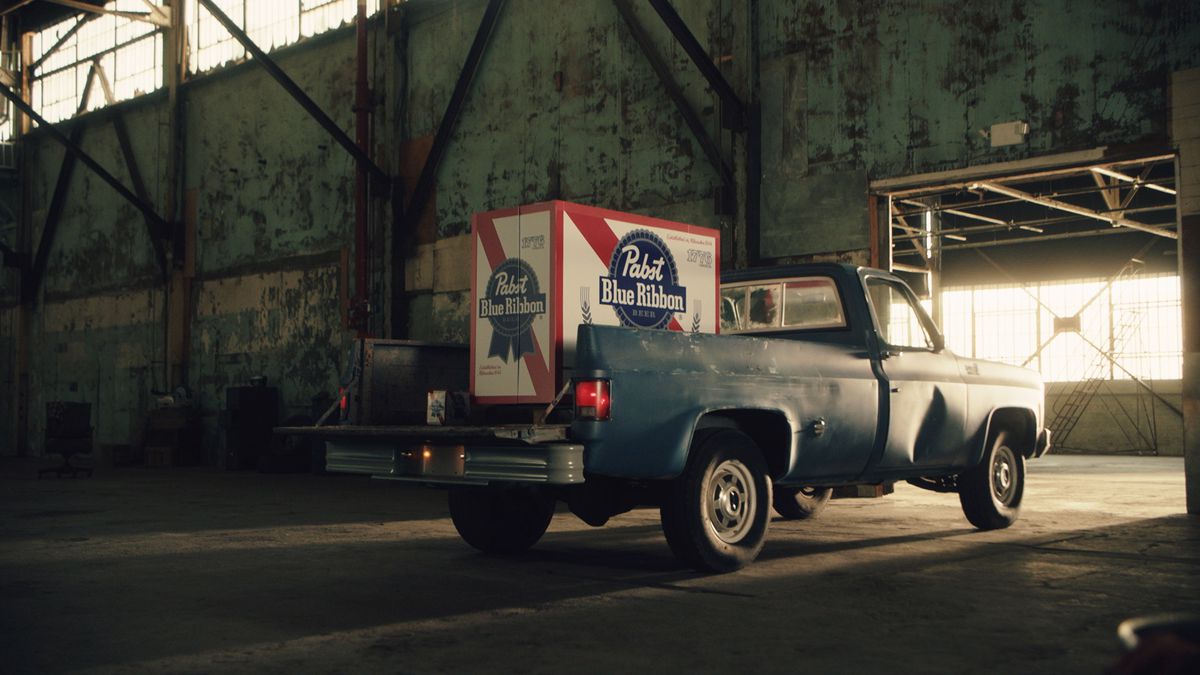
PBR Created a 1776-Can Pack of Beer | Food & Wine - Food & Wine

sela.indah.link PBR Created a 1,776-Can Pack of Beer | Food & Wine Skip to content ...

Popular Posts