Rechercher dans ce blog

Thursday, April 29, 2021

Craft Beer Rebounds And Gains Ground On Domestics - Forbes

sela.indah.link

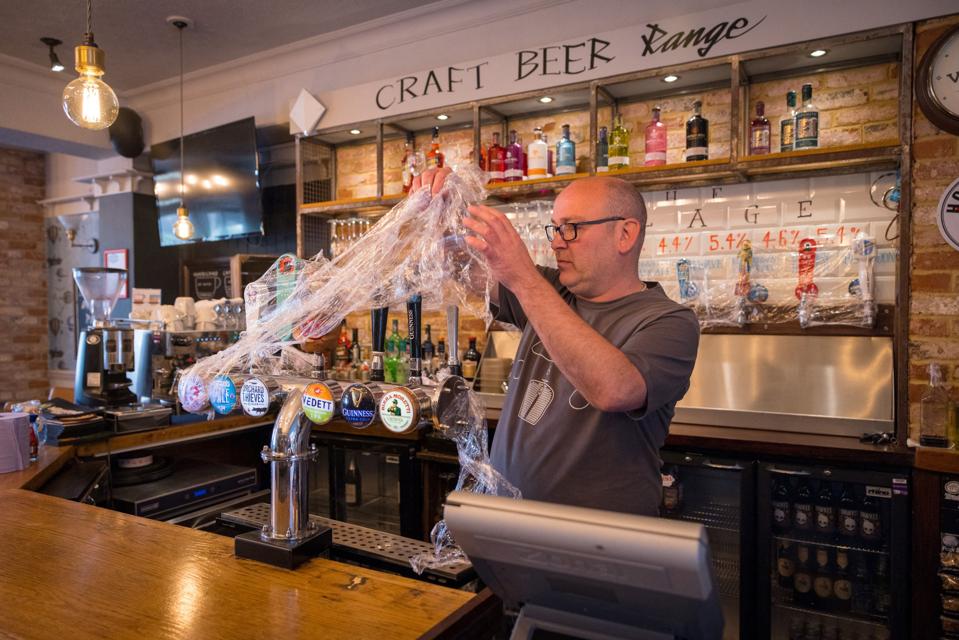
After their toughest year in decades, craft beer producers finally have a reason to (cautiously) toast their recent sales figures. Two measures released this week show US craft beer sales rebounding to pre-pandemic levels as bars, restaurants and entertainment venues begin their gradual return to normal attendance after a year of COVID-19 related restrictions.

After four straight months of contractions, craft finally pushed through the 50 mark on the National Beer Wholesaler Association’s (NBWA) beer purchasers index in April, which indicates that distributors are expanding their craft purchases. And BeerBoard, which measures draft sales in the on-premise channel, reports craft increasing its share of the draft beer business — relative to domestics and imports — by a full percentage point the weekend of April 22-25 as compared to two weekends in late March and early April.

While a spokesperson for BeerBoard dismisses the rise as nothing more than a blip that may reflect drinkers buying spring seasonal craft beers with the rising temperatures, NBWA chief economist Lester Jones believes craft’s 64 reading on the index reflects more taps starting to pour. 

“As a heavy (over indexed) draft category, as things open up it will improve,” he says.

According to BeerBoard, which tracks draft sales in bars and restaurants across ten geographically diverse states, 92% of bars and restaurants are back open, and 68% of taps are flowing. It is important to note, however, that retailers have permanently cut their overall number of taps roughly in half — from 38 to 18 — since April 2019.

At BeerBoard’s client accounts, craft currently comprises 57% of tap real estate yet only a third of the volume of liquid that passes through. Domestic beer accounts for just over half of the volume yet is the category losing most ground to craft over the past three weekends in question. 

MORE FOR YOU

Bart Watson, chief economist for the Brewers Association, notes, “In general, craft numbers were hit harder than many segments because of its large on-premise presence. We should expect to see some of that in reverse this year – craft will see a stronger growth than many off-premise heavy segments as the on-premise returns.”

BeerBoard reports that overall draught beer sales have grown 2.6% by volume since the second weekend in April but still lag the comparable weekend in 2019 by 36%. The index for total beer shows a healthy 79 on a 100-point scale, with craft coming in second after imports and leading all domestic categories. 

Once again, however, the inclusion of hard seltzer and flavored malt beverages (FMB) FMB is what really makes beer’s numbers look good. While imports posted a reading of 74, seltzers and FMBs pulled the category up significantly with a reading of 90. Cider, with a 44 reading, holds the unfortunate distinction as the only measured category to fall below 50.

The five most popular styles sold on tap haven’t changed recently:

  1. Light lager
  2. Lager
  3. IPA
  4. Belgian Wit/White Ale
  5. Wheat/Hefeweizen    


April 30, 2021 at 04:22AM
https://ift.tt/3eG9ywt

Craft Beer Rebounds And Gains Ground On Domestics - Forbes

https://ift.tt/2NyjRFM
Beer

Hoppy Hydration: Non-Alc Seltzers Made With Beer’s Bittering Agent Provide Alternative To Alcohol - Forbes

sela.indah.link

Craving an IPA but want to skip the booze? Why not crack open a can of hop water.

Over the last several months, a number of beverage brands have introduced hop-infused concoctions designed to replace both alcohol and traditional sparkling water.

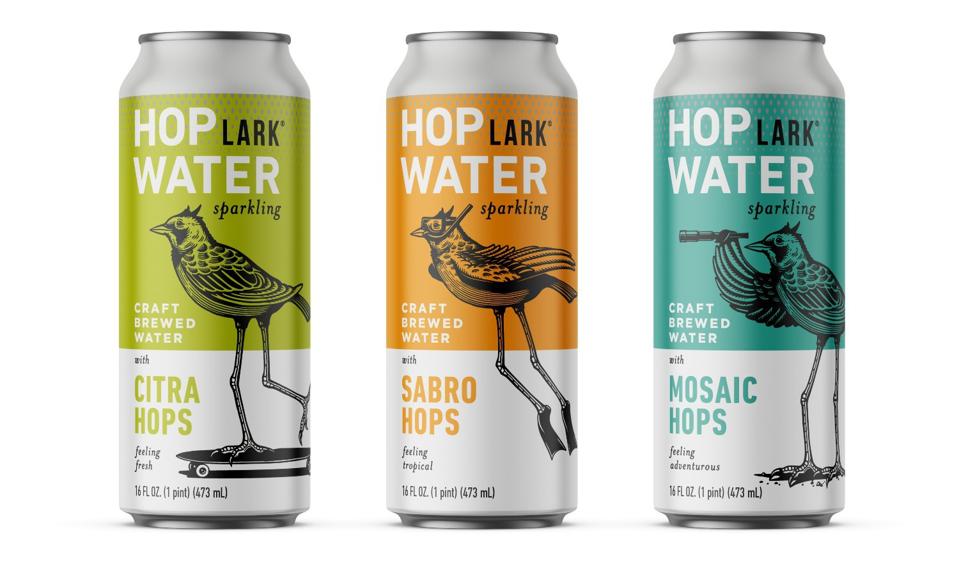
Most recently, Colorado-based beverage company Hoplark – which makes the “HopTea” brand of hoppy sparkling teas – unveiled its new line of hopped seltzers.

The drinks, which feature Sabro, Mosaic and Citra hop varieties, are designed to appeal to “craft beer lovers who crave the complexity and bold flavor only real hops can deliver.”

“Hoplark Water is a result of our deep passion for bringing new flavor experiences to the market for people who love that complex hoppy taste but don’t want to compromise healthy choices,” co-founder Dean Eberhardt said via a news release.

Indeed, the non-alcoholic sparkling waters from Hoplark are gluten-free and do not contain calories or sugar. They are, however, packed with flavor and a great option for hop heads looking to take a break from booze or anyone who might be craving a bitter beverage in the middle of the day.

Hoplark isn’t alone in its quest to create a new category.

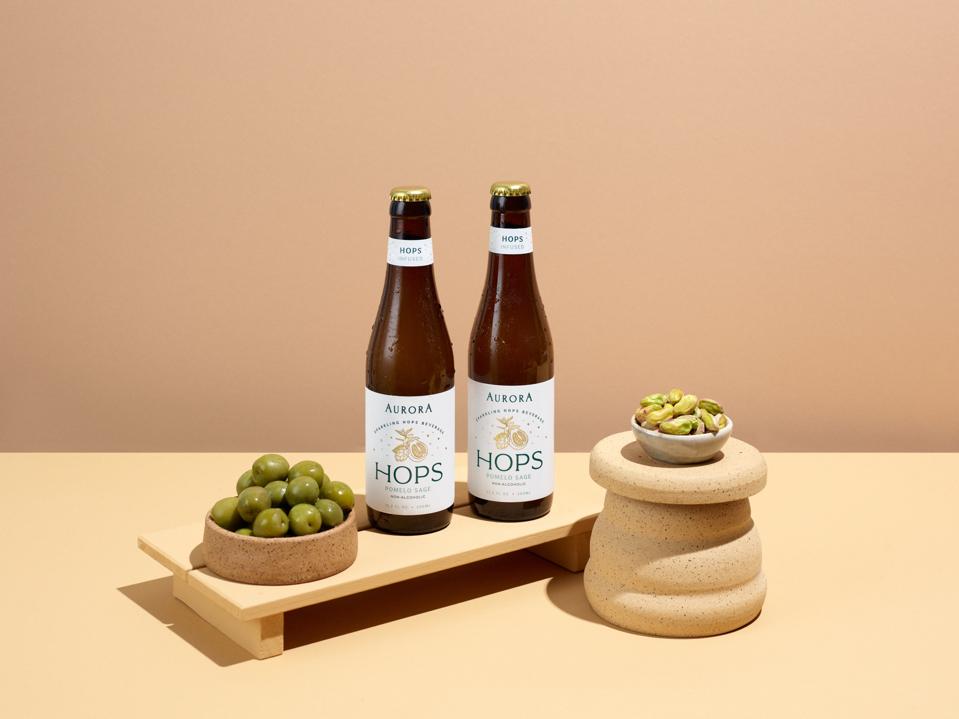
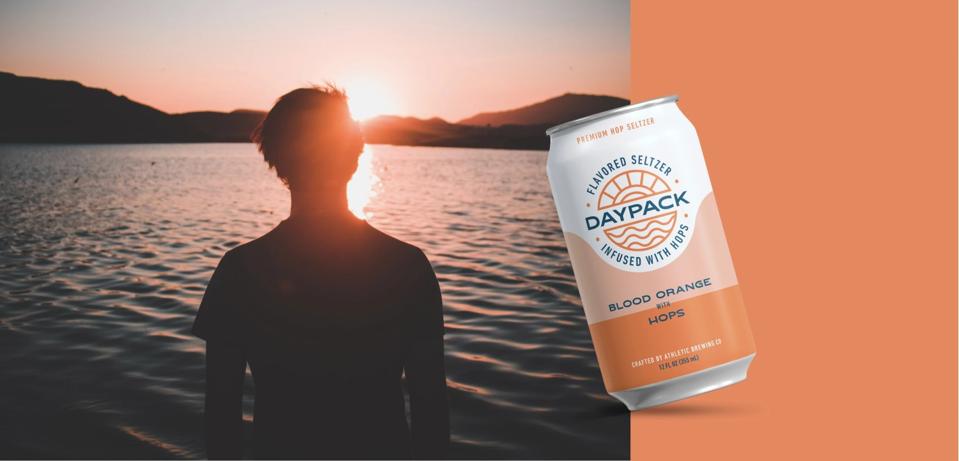
Other companies that recently introduced hop-infused seltzers include popular non-alcoholic craft beer maker Athletic Brewing — which released its “Daypack” brand of flavored seltzers in January — and Aurora Elixirs, which makes both hemp-infused and hop-infused sparkling beverages.

MORE FOR YOU

According to Athletic Brewing co-founder Bill Shufelt, Daypack could account for 10% of the company’s direct-to-consumer sales in 2021.

Speaking to beverage industry trade publication BevNET last month, Shufelt said hop-infused waters like Daypack help the company access daytime occasions where non-alcoholic beer isn’t always the best fit.

Available in four flavors – Black Cherry, Blood Orange, Lemon Lime and Mango – the zero-calorie Daypack targets a more mainstream consumer that wants fruit flavored seltzer with a hint of hops.

For its part, Aurora Elixirs is going after consumers who are “looking to enhance or amend a traditional cocktail occasion,” founder Victoria Pustynsky said.

“Our fans are interested in beverages that are more than flavored seltzers,” she added, noting that Aurora Hops offers drinkers “inspired alternatives to alcohol that can enhance their active lifestyles.”

Unlike the offerings from Hoplark and Athletic Brewing, Aurora’s hop-infused beverages contain 42 calories, 10 grams of sugar and drink more like a soda than a sparkling water.

“Our products are inspired by the flavors and aromas of the hops plant, but are not exactly beer-like,” Pustynsky said. “The Citra and Mosaic hops we use as the foundation for our drinks are bright, citrusy, [and] floral with complex aromas that are not overly bitter.”

The company currently offers two flavors – Pomelo Sage and Yuzu Orange Blossom – but a third SKU is in the works.

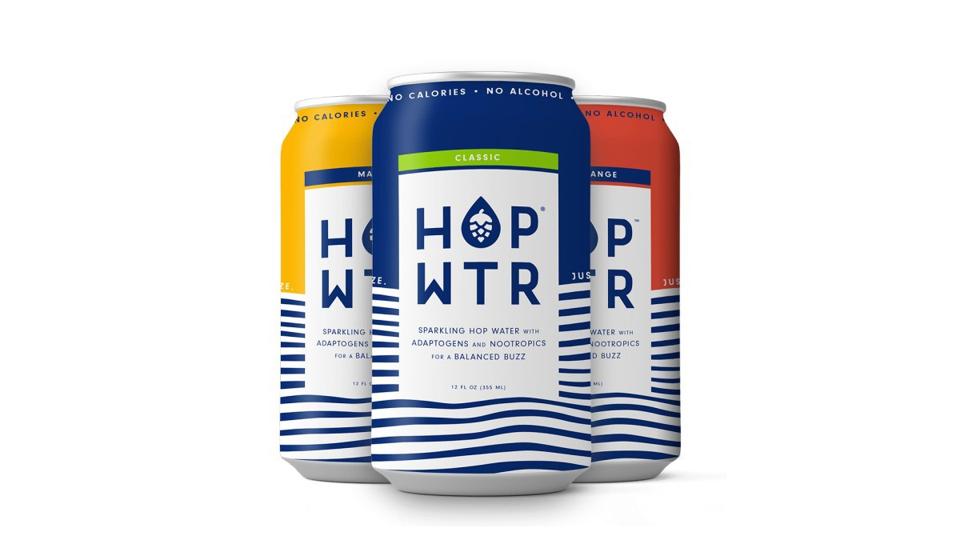
Another company unapologetically going after beer consumers is HOP WTR, which makes a line of calorie-free sparkling hop waters infused with adaptogens and nootropics.

On its website, HOP WTR bills itself as a “healthy alternative to beer” that is made with hops to “remind you of your favorite IPA.”

“We sit at the intersection of nonalcoholic beer and functional beverages,” co-founder and CEO Jordan Bass explained. “We do see this as a healthy alternative to beer, but there are also important functional components for consumers who are increasingly looking for beverages that not only remove negative ingredients but also incorporate additive benefits.”

Made with Columbus and Centennial hops, HOP WTR contains 50 milligrams of L-Theanine — an amino acid that can enhance cognitive function — as well as ashwagandha, which is said to reduce anxiety and stress.

“Often times, you’ll crack a cold beer to relax or mellow out for a while,” Bass explained. “We really wanted to mimic that from a functional standpoint and provide an experience that helps people unwind and rebalance.”

While each brand differs in its approach to formulation as well as positioning, they’re all betting on continued growth within a no- and low-alcohol beverage segment.

According to market research firm IWSR, global consumption of beer, wine, spirits, and ready-to-drink products that contain little or no alcohol are expected to increase 31% by 2024.

“I see a lot of opportunity,” said Eberhardt. “We read about — and have experienced — the huge growth in sober trends. There’s been tremendous growth in the NA beer market, which is driving a lot of this.”

Sales of nonalcoholic beer grew 28% to more than $188 million in 2020, and producers of hop-infused seltzer are hoping for similar success with their non-beer offerings.

“Consumers are looking for alternatives to alcohol and it is good for them to have multiple options,” said Bass, who added that HOP WTR expects more competitors to enter segment.

Other major players already working to build the category include Lagunitas — which is sells “Hoppy Refresher,” currently the largest in the space — and H2OPS, which has been selling hop water since 2014.

One potential hurdle, however, is pricing. A 12-pack of HOP WTR (12 oz. cans) sells for about $40, while Hoplark Water (16 oz. cans) retails for $35.

Meanwhile, a four-pack of Aurora Hops (11.2 oz. bottles) sells for $14, and a six-pack of Daypack (12 oz. cans) costs $9.99.

By comparison, a 12-pack of LaCroix typically costs about $5.99.

For his part, Bass argues that more mainstream seltzer products like LaCroix fit a different usage occasion, and hop-infused waters — especially those with functional ingredients — should be priced similarly to CBD drinks.

“We’re using premium ingredients, and I think that our product is priced fairly,” he said. “But as volume continues to grow, we expect to see pricing become more and more competitive,” he said.


April 30, 2021 at 06:49AM
https://ift.tt/3vxFfz4

Hoppy Hydration: Non-Alc Seltzers Made With Beer’s Bittering Agent Provide Alternative To Alcohol - Forbes

https://ift.tt/2NyjRFM
Beer
Tours roll through Sam Houston Wine Trail - Huntsville Item

sela.indah.link

After working with West Sandy Creek Winery for nearly three years, Diego Varela opened Sam’s Table Restaurant in downtown Huntsville seven months ago to offer an elevated dining experience with quality foods, in addition to bringing local wines to the community.

Now, he’s bringing the community to the wineries.

In partnership with local historian and Historic Tours of Texas operator Carolina Crimm, Sam Houston Wine Trail Tours offers private shuttle tours to Walker County’s favorite venues while sharing the history of the area along the way. As a local business owner himself, Varela sees the potential of using the wine trail to drive tourism from the surrounding markets into the area.

“Why do we need to go to the Hill Country if you have a beautiful wineries here?” Varela asks.

“We have really nice people around that make good wines. It’s good for everybody, because if everybody knows more about us, about the wineries, then maybe next time they come they will spend a night in the hotel, get some lunch, visit three or four wineries and make something nice of the weekend.”

The tours can accommodate a maximum of 14 people and include Knox Circle Winery, West Sandy Creek Winery, Tosca Winery, Teysha Vineyard and Golden Oak Micro Cellar. Tour packages provide a range of options from an evening of visiting just one or two from the list, to the full package that includes a relaxed four-hour experience among three wineries and Sam’s Table Restaurant.

The next full package tour on May 8 will meet at Sam’s Table Restaurant at 11 a.m. for mimosas and a walk-through of the day, before departing for Tosca Winery in New Waverly. Wine enthusiasts will get to meet the winemaker for a walkthrough of the property and a tasting of four wines, followed by a tour of West Sandy Creek Winery with their winemaker and another tasting. The tour will then stop at Sam’s Table Restaurant for lunch and go on to finish at Teysha Vineyard in Dodge before returning for the day.

Tours of the Sam Houston Wine Trail are held every two weeks, with the option to book private parties. Tickets can be purchased for a discounted rate through the month of May online at www.samstabletx.com, at Sam’s Table Restaurant in downtown Huntsville or over the phone at (936)730-4965.


April 29, 2021 at 06:00PM
https://ift.tt/3u4JFgt

Tours roll through Sam Houston Wine Trail - Huntsville Item

https://ift.tt/31lUVcw
Wine

Wine Talk: Maz Jobrani's Wine Routine - Wine Spectator

sela.indah.link

In 1978, a 6-year-old Maz Jobrani was fleeing his home in Tehran during the Iranian Revolution. Nearly 40 years later, the Iranian-American comedian would be welcoming the Persian New Year with the Obamas at the White House. During that time period, Jobrani not only developed his hilarious comedy routines centered on his identity as an Iranian-American, but also a passion for wine.

As a young student at U.C. Berkeley, Jobrani studied political science and took a year to study Italian culture in Padua, Italy. Soon after arriving in Italy, Jobrani became familiar with an Italian staple: Sangiovese. "Whereas in America when you're younger, people prefer beer, over there they prefer a little wine and you feel so sophisticated at that age," Jobrani recalled. "I remember you could go to the McDonald's in Italy and drink from wine dispensers." When Jobrani returned to Northern California, he began to take advantage of local wine country.

During the pandemic, Jobrani has used the extra time to read wine books and visit his local shop. He recently took a break from promoting his Pandemic Warrior comedy special and spoke with Wine Spectator assistant editor Shawn Zylberberg about his passion for Napa, connecting wine with comedy and exposing fellow Iranian-Americans to the local wine scene.

Wine Spectator: When did your passion for wine start?
Maz Jobrani: When I was 14 years old—no, I'm kidding. I spent a year abroad in Padua, Italy, when I was a junior at U.C. Berkeley. When I went back with my wife in the mid-2000s, we went to Tuscany and visited a Sangiovese vineyard. We bought a case and I slowly started dipping my toe in the water. More recently, I've taken some trips to Napa and visited Darioush Winery, which produces one of my favorite wines and is owned by a fellow Iranian-American. On one of our visits, my wife and I celebrated our anniversary and I had to join the membership club before leaving. I'm a big Cabernet guy and whenever I can, I turn people onto it. But I would say going to Darioush was my tipping point.

WS: Did your parents drink wine growing up?
MJ: My dad was from northern Iran, which is on the border with Russia, so he was a big vodka drinker. He enjoyed his wine from time to time too. He would drink Jordan Chardonnay whenever he'd take me on his business lunches around Napa and the surrounding area.

WS: Is wine part of your comedic ritual?
MJ: For the most part I try to perform sober. In comedy you don't want to do well while you're buzzed or drunk because then you think you need that feeling to get there and that can cause issues and problems. But at the Laugh Factory in L.A., the owner Jamie Masada likes wine as well and we had a wine routine going.

On the weekends when I was in town, I'd do shows there and after that we had "wine time with Jamie." We would go to Greenblatt's Deli & Fine Wines next door and pick a wine and sit and sip. What was great about it is that it would turn into a roundtable, because other comics like Tony Rock would join us and, before you know it, everyone has a glass of wine and is hanging out, opening a few bottles.

That was a nice ritual that I had been enjoying and missed since the pandemic started. It became our little wine sipping thing. I would love to do an outdoor event where we mix wine with comedy and have a night to pour a glass and have some laughs.

WS: How has the pandemic deepened your love for wine?
MJ: During the lockdown I picked up Cork Dork by Bianca Bosker, which I thought was a great book. What I like about wine is that there's always more. Every time you think you got it figured out, there's a whole new world.

This past summer I started visiting a nice liquor store down the street that has good stuff. They introduced me to Domaine de l'Abbaye Clos Beylesse Rosé. The next thing I know I'm looking it up and telling my wife that we should take a trip to France and out to Provence. My favorite region is still Napa, because I grew up in Northern California, but other regions like Australia and Lebanon have great wines as well.

I've also been running everyday and find myself exercising more now so I can have wine without the guilt. All roads lead to wine and chocolate.

WS: How do you see yourself opening the door for other Iranian-Americans when it comes to the wine industry?
MJ: My go-to wine has always been Darioush because owner Darioush Khaledi's story is amazing. He is also an Iranian-American immigrant, and his family used to make wine in these big vats. When he was a young boy, he would take a cloth and fling it over the vat and it would dip into the wine and he would suck on the cloth. His family would say, 'Oh no, Darioush got into the wine again!'

I tell his story and encourage other Iranian-Americans to try his wine because I am very proud of the fact that he and I share a background. You see that in a lot of cultures. That's how I introduce wine to people from my background.


April 29, 2021 at 10:00PM
https://ift.tt/3gQaReU

Wine Talk: Maz Jobrani's Wine Routine - Wine Spectator

https://ift.tt/31lUVcw
Wine

Be It a $10 Wine, or Much More, the Judgments Come Free - The New York Times

sela.indah.link

For the prices, these were all decent wines, straightforward and unpretentious, made without artifice. The producers made no effort to dress them up with flavorings like oak chips, intended to convey the veneer of more expensive wines that had been aged in barrels of new oak.

Nor were they sweet, another tactic for covering up the shortcomings of poorly made wines. Remember the Apothic Red we tried in our exploration of supermarket wines in 2019?

La Vieille Ferme has long been an inexpensive brand offered by the Perrin family, owners of Château de Beaucastel, a renowned Châteauneuf-du-Pape estate, among other properties. This was made of a typical Mediterranean blend, grenache, cinsault, carignan and syrah, mostly but not entirely from the Ventoux area in southern France, hence the Vin de France notation on the label. Roughly 2.5 million bottles are made annually.

It was juicy, dry and well-balanced, with peppery flavors of red and black fruits.

Los Vascos is also part of a big company. It’s the Chilean outpost of the Domaines Barons de Rothschild, owners of the storied Bordeaux estate Château Lafite Rothschild. It’s 100 percent cabernet sauvignon from the Colchagua region of Chile. More than 3 million bottles made annually.

It was fuller and richer than the Vieille Ferme and discernibly cabernet sauvignon, with soft flavors of spicy fruit and herbs.

Of the three wines, I thought the Masciarelli had the most personality. It was made entirely of the montepulciano grape, with sweet-bitter aromas and flavors of juicy red fruits and flowers. About a half million bottles are made each year, and the owners make wines from only the Abruzzo region of Italy.

These are all simple wines, and nothing is wrong with simplicity. We sometimes get caught up in the idea that complexity is always better. Complexity may often be interesting, but when the occasion is simple — a weeknight pizza or burgers — sometimes you want a simple wine.


April 30, 2021 at 02:32AM
https://ift.tt/3sYk9rO

Be It a $10 Wine, or Much More, the Judgments Come Free - The New York Times

https://ift.tt/31lUVcw
Wine

Finger Lakes Wine Country Leads the Way for Responsible Tourism - wineindustryadvisor.com

sela.indah.link
Advertisement

Regional Travel Branding Organization Becomes Leader In Responsible Travel

April 29th – Corning, NY: Finger Lakes Wine Country, New York’s most popular wine region is leading the way when it comes to public health and responsible tourism. Launching their #MaskUpFLX campaign in 2020 to encourage locals and visitors alike to wear masks and practice social distancing. Earlier this month they introduced the #VaxUpFLX campaign, encouraging visitors and members of the community to get vaccinated. Finger Lakes Wine Country is stepping up to protect the community like no other tourism brand. 

Not many in the travel tourism space are as vocal about mask mandates and vaccinations on their social platforms. Yet this is not the only way Finger Lakes Wine Country is standing up for public health. They’ve also been very vocal about their support for the BIPOC communities. Finger Lakes Wine Country knows that actions are essential to change and they have stepped up as a leader in responsible and inclusive travel marketing.  

Finger Lakes Wine Country has done a great job spotlighting outdoor activities in the region that are COVID-friendly. Including horseback riding lessons, scenic drives, waterfall trails, and of course wine tasting! Not only have they created a stellar list of wineries open on each wine trail, but they’ve also listed hours of operation, reservation details, and any new restrictions. Along with recipes that allow you to enjoy Finger Lakes Wine Country from the safety of your home! 

As the region slowly reopens to visitors Finger Lakes Wine Country reminds everyone that masking up is the best way to support each other. Masking up helps keep businesses open as the community is rebuilt, revitalized, and reinvigorated. Community members are asked to take photos wearing their masks and using the #MaskUpFLX hashtag. 

As more Americans get vaccinated, gathering outside without a mask is the goal. Until then locals and visitors are asked to show patience and grace to service staff. Following all requests for reservations, mask-wearing, and social distancing. 

About Finger Lakes Wine Country: Based in Corning, New York, Finger Lakes Wine Country is the unified voice for the five counties and three wine trails. This regional branding organization covers the 3,065 square mile area that includes Chemung, Schuyler, Steuben, Tioga, and Yates Counties as well as the Cayuga, Seneca, and Keuka Lake Wine Trails. Finger Lakes Wine Country is responsible for positioning the region as a top-of-mind brand by showcasing the various attributes and experiences of the area.

Advertisement


April 30, 2021 at 01:20AM
https://ift.tt/3xzUzwC

Finger Lakes Wine Country Leads the Way for Responsible Tourism - wineindustryadvisor.com

https://ift.tt/31lUVcw
Wine

Wine: Types, potential health benefits, and more - Medical News Today

sela.indah.link

There have been lots of studies into the health benefits of wine. Red wine may protect against heart disease, while white wine may benefit kidney health and protect against Alzheimer’s disease.

Different types of wine offer different health benefits and risks.

Some types of wine, such as sparkling wine, are higher in calories than others, while others have higher alcohol contents.

The health benefits of wine usually come from the grapes that manufacturers use to make it.

Generally, a person may gain some health benefits from wine if they consume it in moderation.

A person who drinks excessive amounts of alcohol may put themselves at risk of developing health problems. The Centers for Disease Control and Prevention (CDC) define moderate drinking as two drinks or fewer per day for men and one drink or fewer per day for women.

This article discusses the potential health benefits of wine and explains the risks that can come from drinking wine.

According to some research, wine may have potential health benefits. Many of these benefits are due to the polyphenol content in wine. Polyphenols are micronutrients present in plants.

A 2019 review that looked into the Mediterranean diet suggested that polyphenols have strong antioxidant activity, which can prevent damage to cells due to oxidative stress and inflammation.

Most polyphenols in the diet are flavonoids. Flavonoids are natural compounds present in fruit and vegetables and their products, including wine.

One 2019 study into the effects of flavonoids in foods and drinks, including red wine, on neurodegenerative conditions such as Alzheimer’s disease found that they inhibited the formation of proteins that can cause this condition.

A 2017 review also discussed the health benefits of flavonoids in wine. The researchers stated that because of these flavonoids, wine may have anticancer and anti-diabetes benefits.

For example, they noted that some polyphenols in wine can prevent or slow the growth of tumor cells, while some can block enzymes and inhibit glucose absorption.

However, in studies, researchers often consider the benefits of polyphenols in wine independently from the presence of alcohol.

It is important to note that the amounts of these polyphenols in wine are very low. Moreover, this study only looked at in vitro testing. Therefore, more studies are necessary to confirm the effectiveness of these health benefits for people who drink wine.

In many respects, the health risks of wine outweigh any potential benefits it may have.

For example, drinking a lot of wine can lead to negative rather than positive health consequences, including:

  • liver damage
  • harm to a developing fetus, in pregnant people
  • cancer

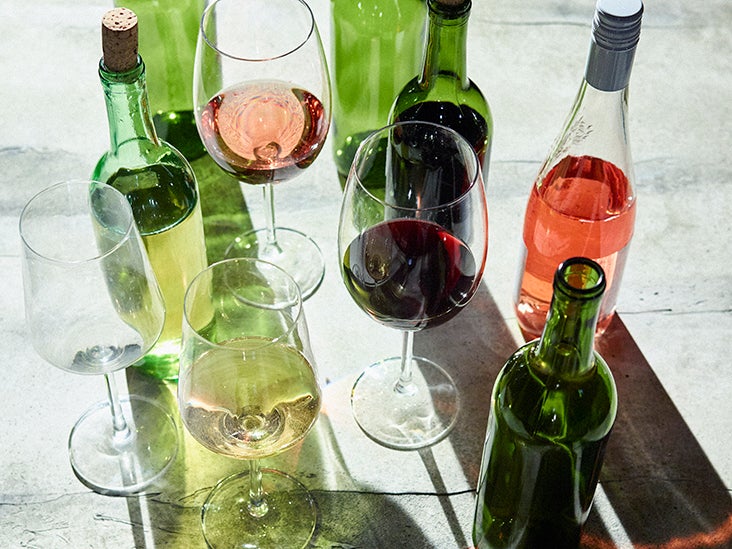
Red wines are classified according to the grapes the manufacturers extract them from and the region they harvest the grapes from. These grapes will have distinct properties, including their flavor and color.

Some types of red wine include:

  • Cabernet
  • Malbec
  • Shiraz
  • Merlot
  • Zinfandel
  • Barbera
  • Pinot Noir
  • Beaujolais
  • Lambrusco
  • St. Laurent

How do manufacturers make red wine?

Manufacturers make red wine by harvesting dark grapes. They crush these grapes with the skin intact, as the skin adds to the flavor and color of the wine.

They then add yeast to the grape mixture. This enables the conversion of sugar into alcohol. This is known as the fermentation process.

They then extract the juice from the fermented grapes, filter it, and bottle it.

Potential benefits of red wine

Red wine is the most widely studied type of wine in regards to its potential health benefits.

Type 2 diabetes

One 2017 review found that the flavonoids in red wine may protect against type 2 diabetes.

However, one 2019 study found that red wine did not improve a person’s glucose levels. The authors stated that more research is necessary to confirm their findings and the safety of wine intake among people with type 2 diabetes.

Heart health

A 2017 review by the American Heart Association (AHA) mentioned epidemiological studies that show that a person may have a lower risk of dying from heart disease if they drink red wine.

However, epidemiological studies may produce less reliable data.

Red wine also contains a compound called resveratrol, which is an antioxidant present in grape skin. Because manufacturers leave the skin on the grapes during the fermenting process of red wine, it may be a rich source of resveratrol.

One 2016 study stated that the benefits of resveratrol include its:

  • antioxidant activity
  • anti-inflammatory activity
  • anticancer activity
  • ability to protect against neurodegenerative conditions

However, resveratrol has low bioavailability in humans. This means that the body may not absorb it properly to fully obtain its benefits.

Gut health

One 2018 systemic review that examined seven studies concluded that red wine may help regulate gut bacteria.

Gut bacteria are essential to a person’s overall health, as they help control the immune system, digest fiber, and contribute to to the health of the central nervous system.

However, the authors also clarified that the complex relationship between gut bacteria and dietary polyphenols means that they cannot be sure of their positive effects on human health.

Neurological health

A 2017 study showed that red wine consumption may lead to a lower level of disability in people with multiple sclerosis.

Potential risks of red wine

The CDC states that excessive alcohol intake caused around 95,000 deaths each year in the United States between 2011 and 2015.

A person may be more likely to develop migraine if they drink red wine, but there are a range of serious risks associated with consuming alcohol in large amounts.

According to the CDC, the short-term health risks associated with drinking any type of alcohol in excess include:

Some long-term health risks include:

Because of this, people should try to only drink red wine in moderation.

White wines are also classified according to the grapes the manufacturers extract them from and the region they harvest the grapes from.

Some types of white wine include:

  • Chardonnay
  • Pinot Grigio
  • Chenin Blanc
  • Riesling
  • Muscat
  • Sauvignon
  • Müller-Thurgau

How do manufacturers make white wine?

Like red wines, manufacturers harvest and crush white wine grapes.

However, with white wine, they usually separate the grape skins from the grape juice before the fermentation process.

Potential benefits of white wine

Researchers have typically focused less on white wine. Nonetheless, they have found some possible links between white wine consumption and health.

Neurological health

One 2018 study examined the effect of polyphenols on mice.

The researchers extracted these polyphenols from white wine and included them in the mice’s diets. They found that polyphenols may have a beneficial effect in reducing chronic inflammation in Alzheimer’s disease.

Kidney health

A 2015 study found that caffeic acid, which is a type of polyphenol present in white wine, induces the release of the compound nitric oxide (NO) from endothelial cells.

This may have a protective effect on endothelial cell function, according to the researchers.

Potential risks of white wine

A person may be more likely to develop certain skin conditions if they drink white wine.

For example, a 2017 study found that white wine was linked to an increased risk of rosacea in women. Rosacea is a type of acne.

A 2016 study also found that white wine consumption was associated with an increased risk of melanoma, which is a type of skin cancer.

A person may also wish to limit their intake of white wine because it can be high in calories and may lead to weight gain if they consume it in large amounts. One glass of white wine contains 148 calories.

Manufacturers make rosé wine from black grapes that they harvest, crush, and ferment with the grape skin intact.

They ferment rosé wine at lower temperatures than they do red and white wine.

Potential health effects of rosé wine

Rosé wine does not seem to bring as many health benefits as red wine, but it brings the same potential risks as any other type of alcohol consumption.

The concentration of polyphenols in rosé wine is intermediate between red and white wine. Therefore, it may be a slightly healthier choice than white wine, given the potential health benefits of polyphenols.

One 2012 study stated that polyphenols may help reduce low-density lipoprotein, or “bad,” cholesterol in the body.

Manufacturers create sparkling wine by using a still wine as a base. This base wine has usually been through the fermentation process already.

They ferment sparkling wine similarly to white wine, meaning that they remove the grape skins.

This wine then undergoes a second fermentation process, wherein carbon dioxide becomes trapped in the liquid and forms bubbles. The manufacturers will then leave the wine to mature in the bottle, after which point the yeast is removed.

After this, they may add a small amount of sugar to the wine.

Prosecco and champagne are types of sparkling wine.

Potential benefits of sparkling wine

A 2014 review found that champagne consumption may increase vascular blood flow and stimulate cognitive function.

It suggested that moderate consumption of champagne may be associated with improved vascular health and might have the potential to slow the progression of certain neurodegenerative conditions.

Potential risks of sparkling wine

Due to the added sugar in sparkling wine, consuming a lot of it can lead to tooth decay and dental cavities.

Manufacturers make fortified wine by adding extra alcohol, normally a spirit, to wine. This creates a sweeter taste and a higher alcohol content.

Port and sherry are types of fortified wine.

Potential benefits of fortified wines

One 2015 study found that the consumption of fortified wine was associated with a reduced risk of developing diabetic retinopathy.

Potential risks of fortified wines

Fortified wines such as port and sherry may be high in calories, with one glass of dessert wine containing 168 calories.

Fortified wine contains more alcohol than other wines. As a result, the negative health risks associated with alcohol consumption are greater with fortified wine.

Research seems to suggest that red wine is the healthiest type of wine. However, this may be because there have been more studies into red wine than white, rosé, sparkling, and fortified wine.

Many of the health benefits associated with red wine may come from the fact that the grape skins are intact during the manufacturing process. Grape skins are the main source of antioxidants in wine.

Although a person may gain some health benefits from drinking sparkling, fortified, or rosé wine, there is a lack of research into these wines.

A person who wants to drink wine should always do so in moderation, as excessive alcohol intake can be dangerous. If a person is worried about their alcohol intake, they can contact a doctor for advice.


April 29, 2021 at 05:52PM
https://ift.tt/3e1tta8

Wine: Types, potential health benefits, and more - Medical News Today

https://ift.tt/31lUVcw
Wine

Featured Post

PBR Created a 1776-Can Pack of Beer | Food & Wine - Food & Wine

sela.indah.link PBR Created a 1,776-Can Pack of Beer | Food & Wine Skip to content ...

Popular Posts