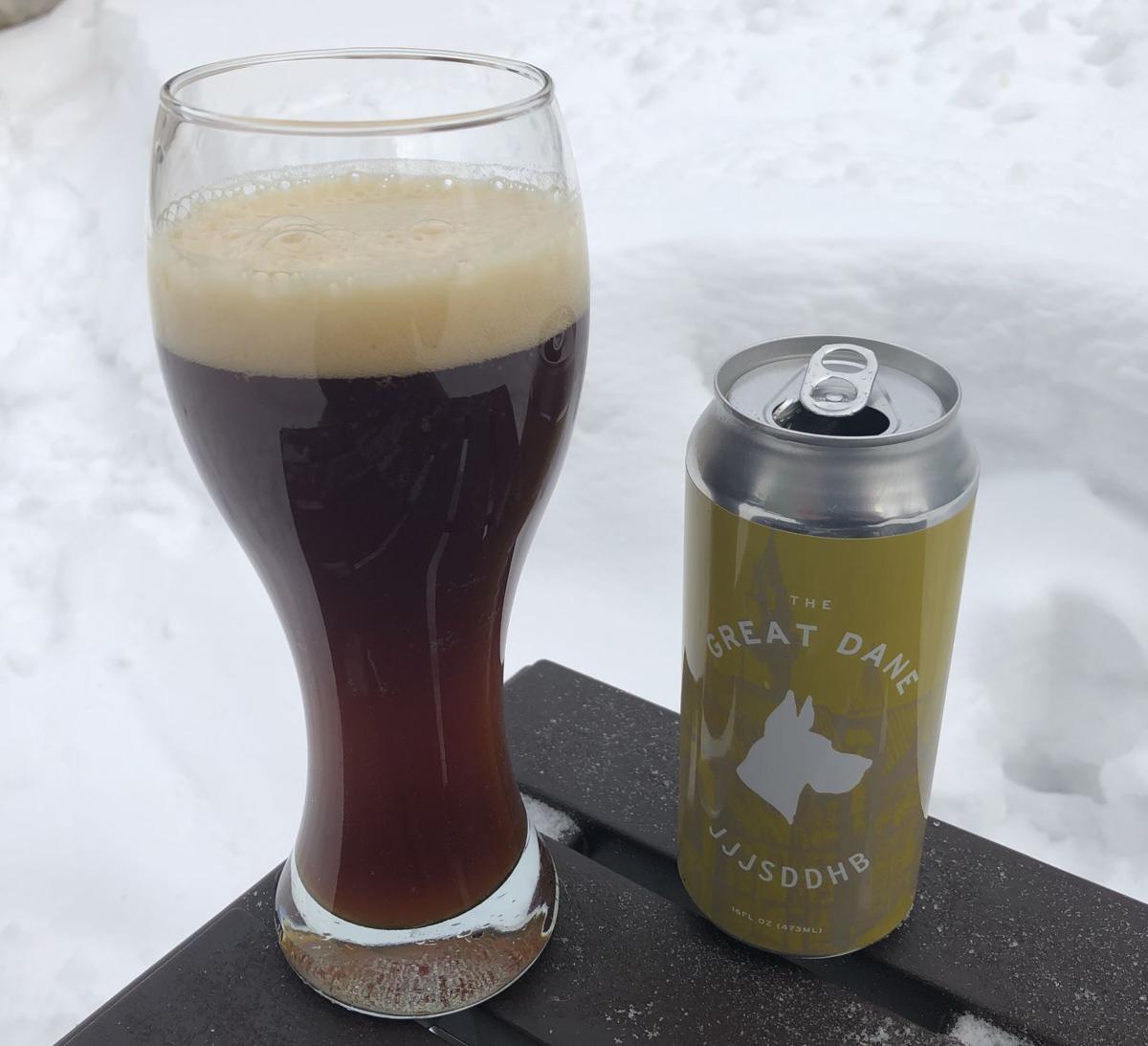
John Jacob Jingleheimer Schmidt’s Dunkel Doppel Hefeweizen Bock by Great Dane Pub & Brewing.
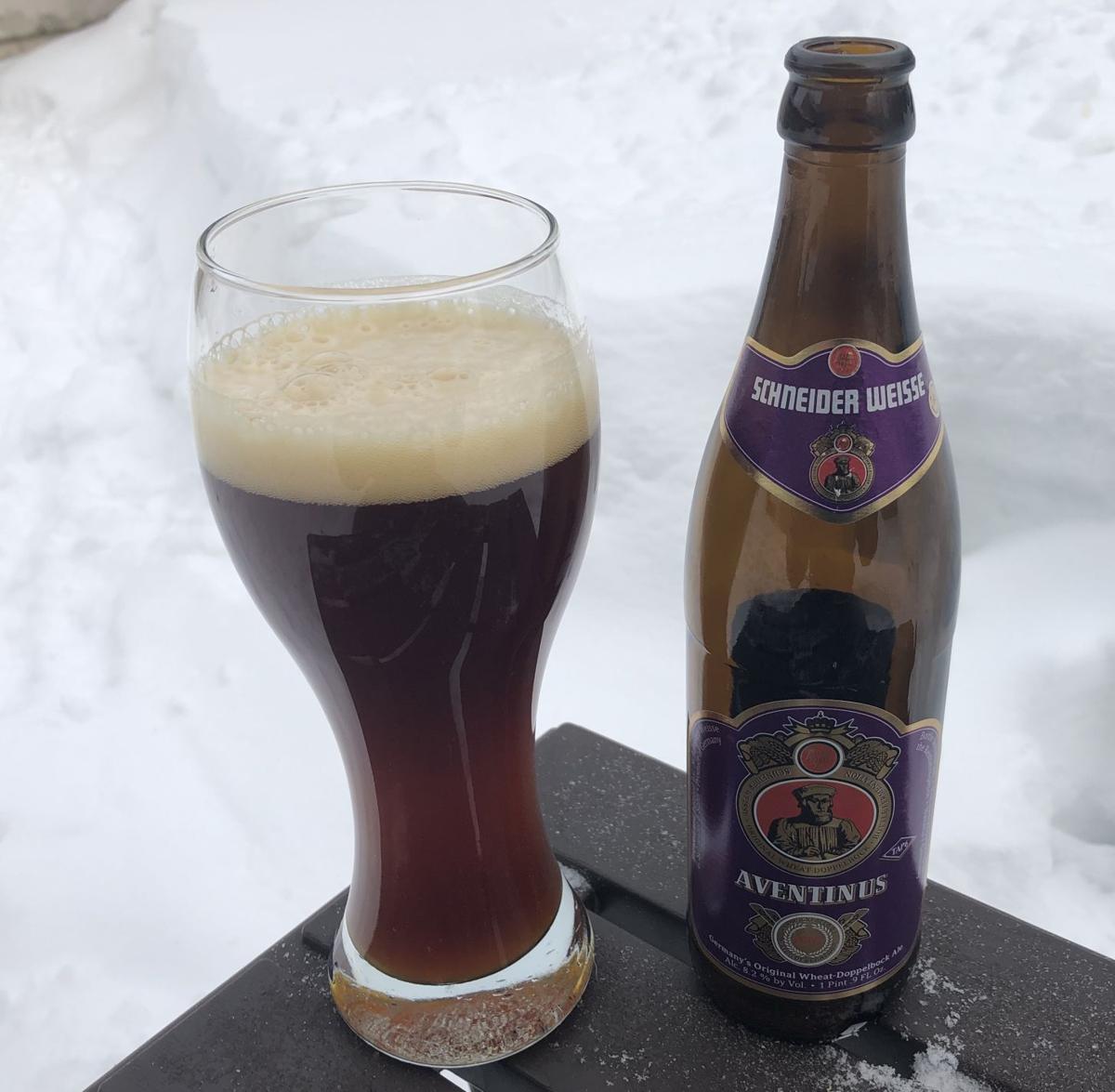
Aventinus by Great Dane Pub & Brewing.
There’s no more apropos time than the depths of February to drive home the point that wheat beers can be much more than a summer quencher.
Wheat beers are one of the classic family of styles from Germany, where they’re known as weissbier. The best known of these variants is the esteemed hefeweizen, the golden, foam-dolloped sip of sunshine that just tastes like a beer garden in June.
But there’s a traditional style of weissbier for just about every season. In fall and early winter, the dunkelweizen, which incorporates dark malts into the grain bill, satisfies.
Late winter on the continent is traditionally doppelbock season, and while that Teutonic titan is a lager that is traditionally brewed only with barley malt, it also has a weissbier analogue. The weizenbock melds the brownish malts and high alcohol content of doppelbock with the wheat and distinctive yeast of the weissbiers.
That last element is a critical factor of what makes weissbier weissbier. Belgian-style witbiers or more hop-forward American wheat beers may have the 50% or higher wheat content in the grain bill like a weissbier, but they use Belgian or more standard ale yeast strains for fermentation.
Traditional weissbiers use yeast strains that produce a host of unmistakable flavors and aromas. These compounds — esters and phenols often compared to banana, bubblegum, clove and sometimes smoke — are most singular in the light hefeweizen (literally yeast wheat), but they are forward in the darker and bigger weissbiers as well, interplaying with the darker malts and higher alcohol in interesting ways.
This leads us, of course, to the weizenbock. There are two archetypes of this style — one dark, one light, and both German, of course. The pale weizenbock Vitus is a relative newcomer in the world of German beer, introduced in 2007 — albeit by the oldest brewery in the world, the nearly 1,000-year-old Weihenstephan. On the dark side Aventinus was first brewed in 1907 by Schneider Weisse, the Bavarian brewery that traces its roots to 1607 and is credited with keeping weissbier alive during a major shift in customer tastes away from the yeasty treat in the 1950s.
The latter is a seminal beer at Madison’s Great Dane Pub & Brewing — really one of the reasons any Dane beers as we know exist today. Brewmaster Rob LoBreglio says Aventinus is “the beer largely responsible for getting me into brewing.”
So naturally the Dane holds this style close, and for more than two decades it has offered its dark weizenbock, (deep breath) John Jacob Jingleheimer Schmidt’s Dunkel Doppel Hefeweizen Bock, as a seasonal at its brewpubs.
This year, it’s hitting the market in cans for the first time — the first of a string of several classic Dane beers coming in cans this year. Next up in March is Old Glory, an American pale ale that I feel like I drank by the gallon years ago. It’s been a while, though, and I’m interested to see how it holds up to my palate today.
The idea is to give people a chance to bring some of these familiar beers home. I hope this trip down memory lane includes a couple dark beers that often find a way into my glass during my Dane visits: Emerald Isle Irish stout and Black Earth Porter.
“We’ll always continue to experiment with new recipes — that’s what we love to do,” LoBreglio said. “But we’re lucky to have a deep bench of beers, which is why we want to put the spotlight on so many fan favorites that hadn’t made it onto shelves quite yet.”
The opening of the beer archives comes as the Great Dane has a new distribution network, the flagship of which is Madison-based Frank Beer Distributors. Great Dane’s distro partner since it began canning in 2015 was Breakthru Beverage, whose Wisconsin arm left the beer distribution business last fall.
John Jacob Jingleheimer Schmidt’s Dunkel Doppel Hefeweizen Bock
Style: Weizenbock
Brewed by: Great Dane Pub & Brewing, which has pubs Downtown, at Hilldale, in Fitchburg and on the Far East Side, and in Wausau.
What it’s like: JJJSDDHB is inspired by Schneider Weisse’s Aventinus, but how do the two truly compare? Aventinus is smoother and just feels more cohesive — age could be a factor, as the trip from Europe takes some time, versus a just-canned beer over here — but the two have a remarkably similar profile. Fans of Madison’s Giant Jones will also note that one of brewmaster Jessica Jones’ first beers was a weizenbock.
Where, how much: The tallboy four-packs of this big beer cost around $13 and your best bet (as always!) is at the more specialty independent bottle shops. By the way, the label uses the acronym primarily, so don’t be confused by its now-common string of letters on beer packaging; this beer is definitely not double dry-hopped.
Booze factor: I don’t think anyone’s going to rush this beer, but if the complex flavor profile and beefy body don’t slow down your sips, John Jacob’s 7.7% ABV should.
Up close: JJJSDDHB pours a murky reddish-brown; I find the deeply hazy look of weissbier far more visually appealing in the lighter hefeweizen palette than the kind of turbid-looking dunkel strains. Nevertheless, JJJSDDHB’s nose rebounds nicely with a comely banana bread sweetness, a touch of caramelization and a spicy, almost cinnamon-like overnote.
And a sip reveals the full realization of dark weizenbock: The classic weissbier yeast profile transposed on the rich, deep malts of a doppelbock. It’s a little fruity, a little funky, a little spicy, and it has the doppelbock’s characteristic alcohol bite standing in place of hop bitterness on the finish. As with many big, complex beers, it’s best to let this one warm to nearly room temperature. Rich, full-bodied and carrying at least some of the vigorous carbonation of its hefeweizen kin, John Jacob is a fascinating dive into a relatively obscure style.
Bottom line: 4 stars (out of 5)
Beer Baron’s Beers of the Year 2020: Worst Year Ever Edition
Let’s take inventory of the most unforgettable, symbolic and just downright delicious beers of 2020.

This was not the best new beer Madison’s Ale Asylum released this year, but it was unquestionably the most successful, and it’s obvious why without even cracking open the can. This beer’s label perfectly captured the zeitgeist at the time of its release in early April, and it never really stopped resonating. The pilsner was followed by a hazy pale ale version, and both were taken national by the new Wisconsin-based distributor Brew Pipeline. Locally, the brewery has offered the FVCK COVID duo and many of its other beers for $6 a six-pack for most of the year. By the way, my favorite new Ale Asylum beer also had a “ugh, 2020” theme: MRDR HRNT, the first in a new “Apocalypse Bingo” series. It’s a pale ale heavily dosed with Mosaic, Denali and Trident hops that create an intense, nearly hard seltzer-like lemongrass-lime character.

This is not one but 25 beers, a different one from each of the Wisconsin breweries that committed to this worldwide collaboration started by San Antonio’s Weathered Souls Brewing. Most of the beers were imperial stouts, but the Black Is Beautiful black IPA (remember that style?) from community-focused Delta Beer Lab might have been my favorite of those I tried. The other participating Madison-area breweries were Herbiery, Giant Jones, Parched Eagle, Rockhound, Sunshine and Young Blood. Black Is Beautiful was, of course, a response to the other story that defined 2020: our national awakening on racial justice. The 1,192 breweries that took part pledged to donate proceeds to local foundations that support police reform and legal defense for those who have been wronged by police, and also committed “to the long-term work of equality.” I am happy to drink to that.
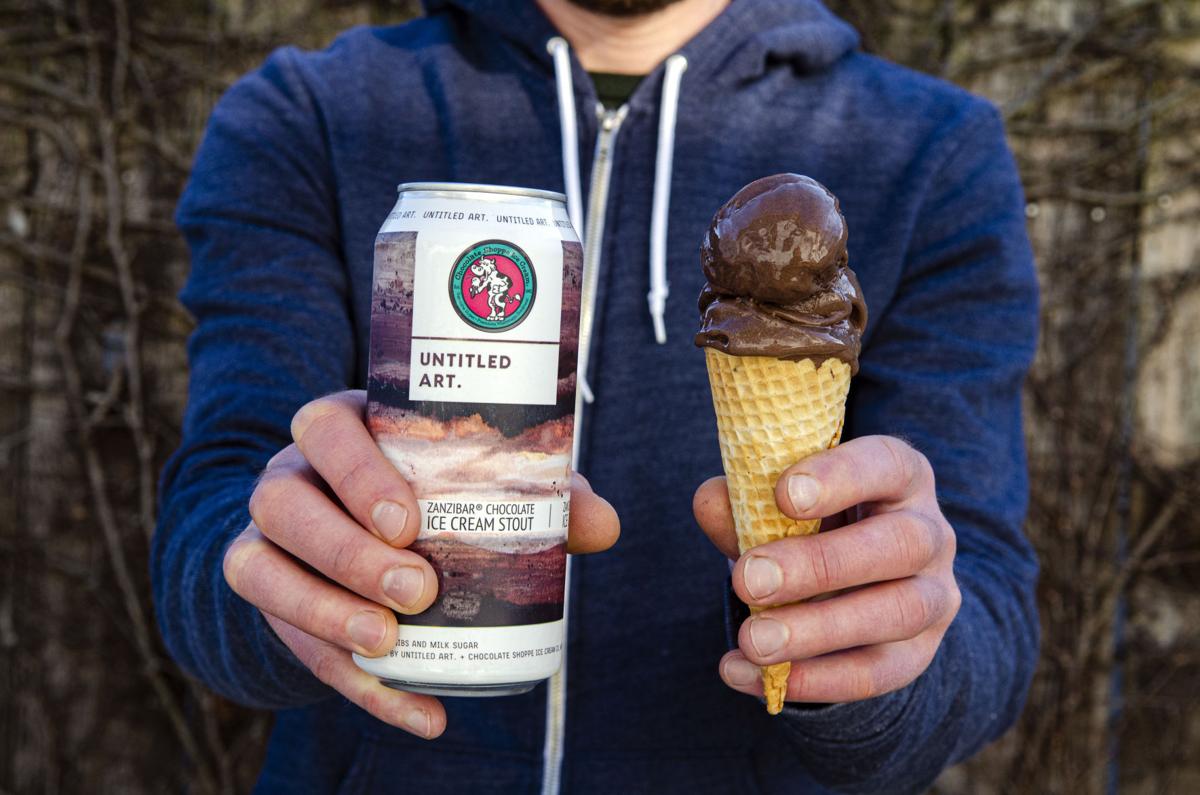
Yes, there are plenty of beers on this list that are not a statement on times like these. And Untitled Art’s take on the legendary Chocolate Shoppe ice cream flavor was probably my favorite of them. Loaded with lactose for sweetness and creaminess, and cocoa nibs and dark malts for chocolate character, it was not just a beer that tasted like chocolate ice cream but specifically like Zanzibar. It was sweet but not overly so, and the chocolate had dark depths and the fruity complexity of its namesake.
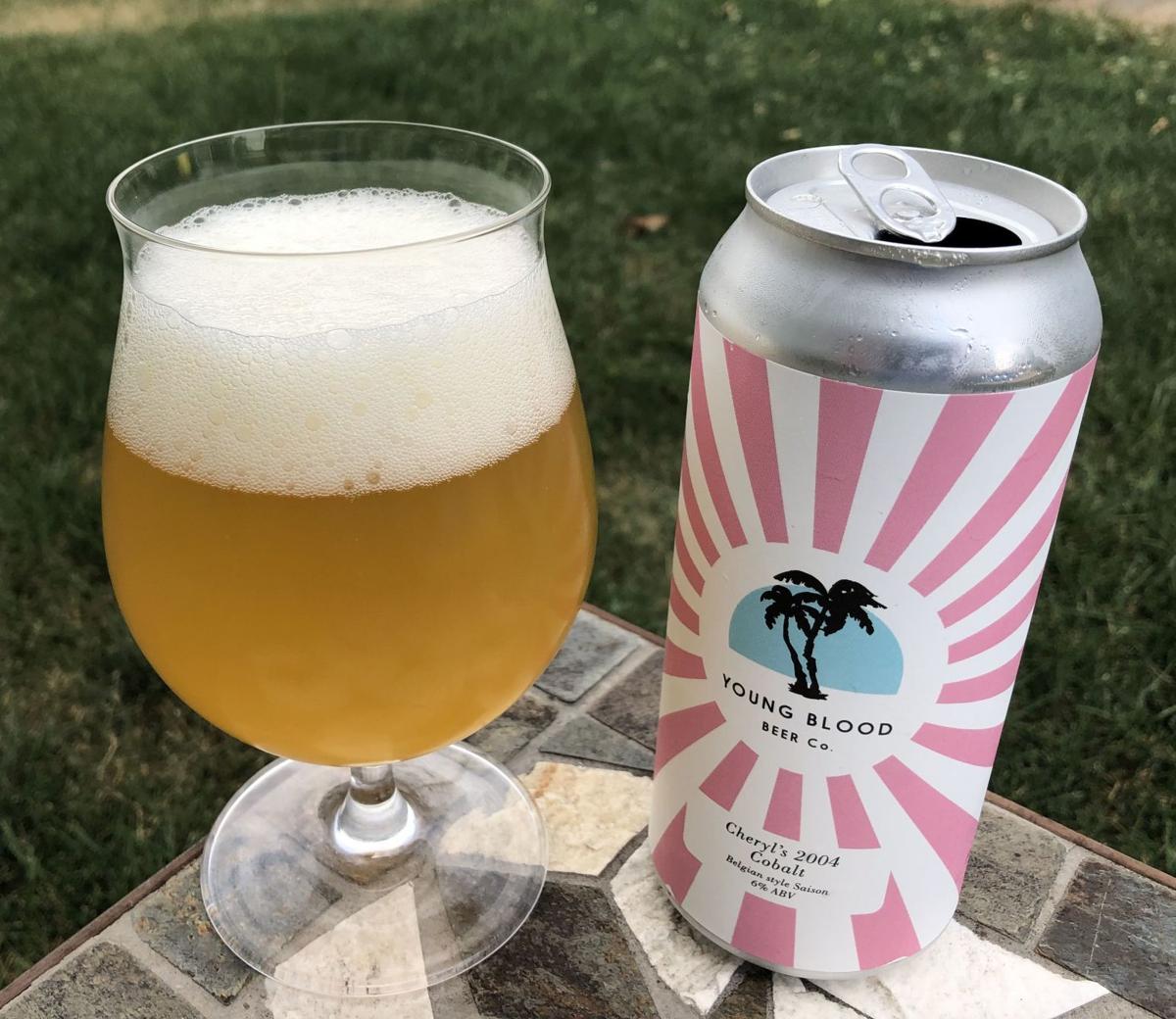
Young Blood Beer Co. picked a heck of a year to debut. The plan was to pack the taproom on King Street and pour glass after glass of head brewer Kyle Gregorash’s IPAs, saisons, lagers and pastry stouts. The opening went ahead in May, with a quick pivot toward canning the bulk of the beer, though the sidewalk patio did brisk business, too. Young Blood’s M.O. is to crank ’em; its Untappd page records 117 different beers already. And while this is really a nod for the entire brewery over a single beer, I don’t think any Young Blood I had this year surpassed the mostly by-the-book but excellent saison Cheryl’s 2004 Cobalt. I’m looking forward to seeing more of the colorful cans in my fridge — and what they come up with next for beer names — in 2021.
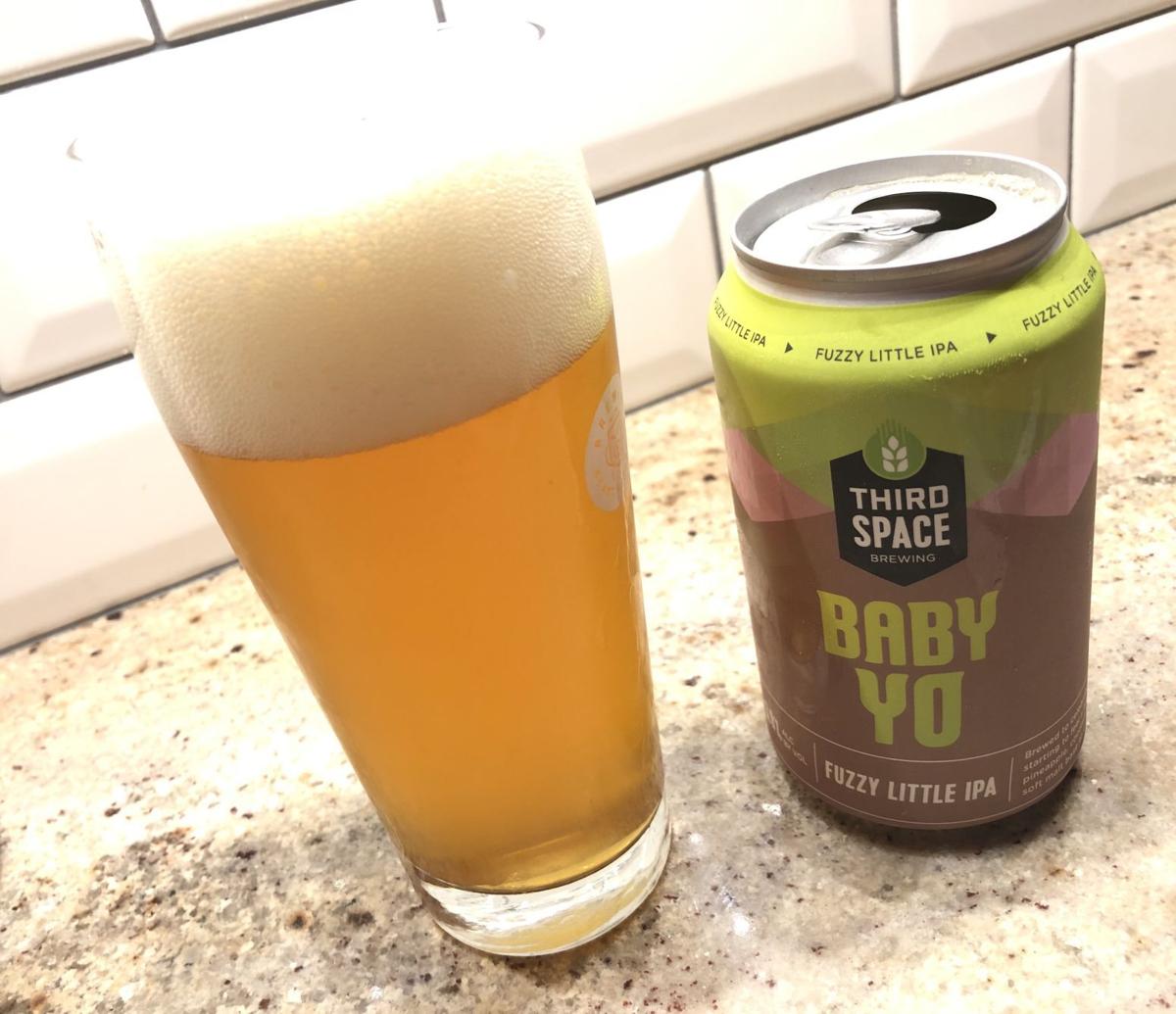
The label of color fields and geometric shapes was almost as adorable as this beer’s diminutive pop culture namesake, but the beer inside was the real force. Released for Third Space Brewing’s fourth anniversary in September, this kinda-hazy session IPA packed bright citrus and stonefruit flavors and a satisfying body despite its wee 3.9% ABV. Baby Yo capped a great year of new hoppy beers, with kveik yeast stars Nordic Sunrise and Fjord Explorer strong BOTY contenders as well.
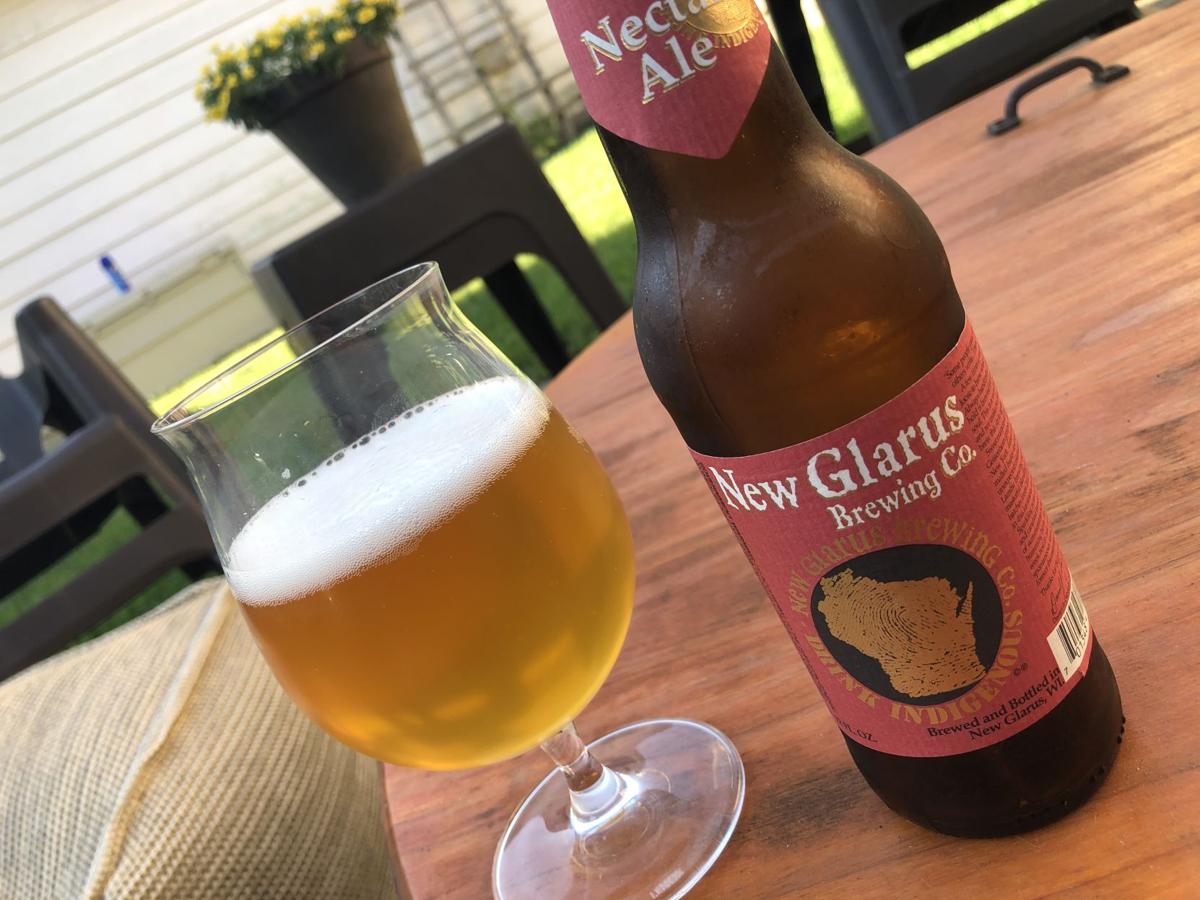
If you’re the most successful craft brewery in Wisconsin and you’re going to release only one new beer in a year, it had better be a banger. And this complex, enigmatic sipper sure was. A blend of three batches of spontaneously fermented ale from New Glarus’ “wild fruit cave,” it incorporated Geisenheim grapes after blending to put an unmistakable spin on brewmaster Dan Carey’s familiar fruit lambics. This sweet creation was aptly named, with a floral, intensely fruity profile of apricot, white grape and honey that really did evoke a butterfly’s sip.
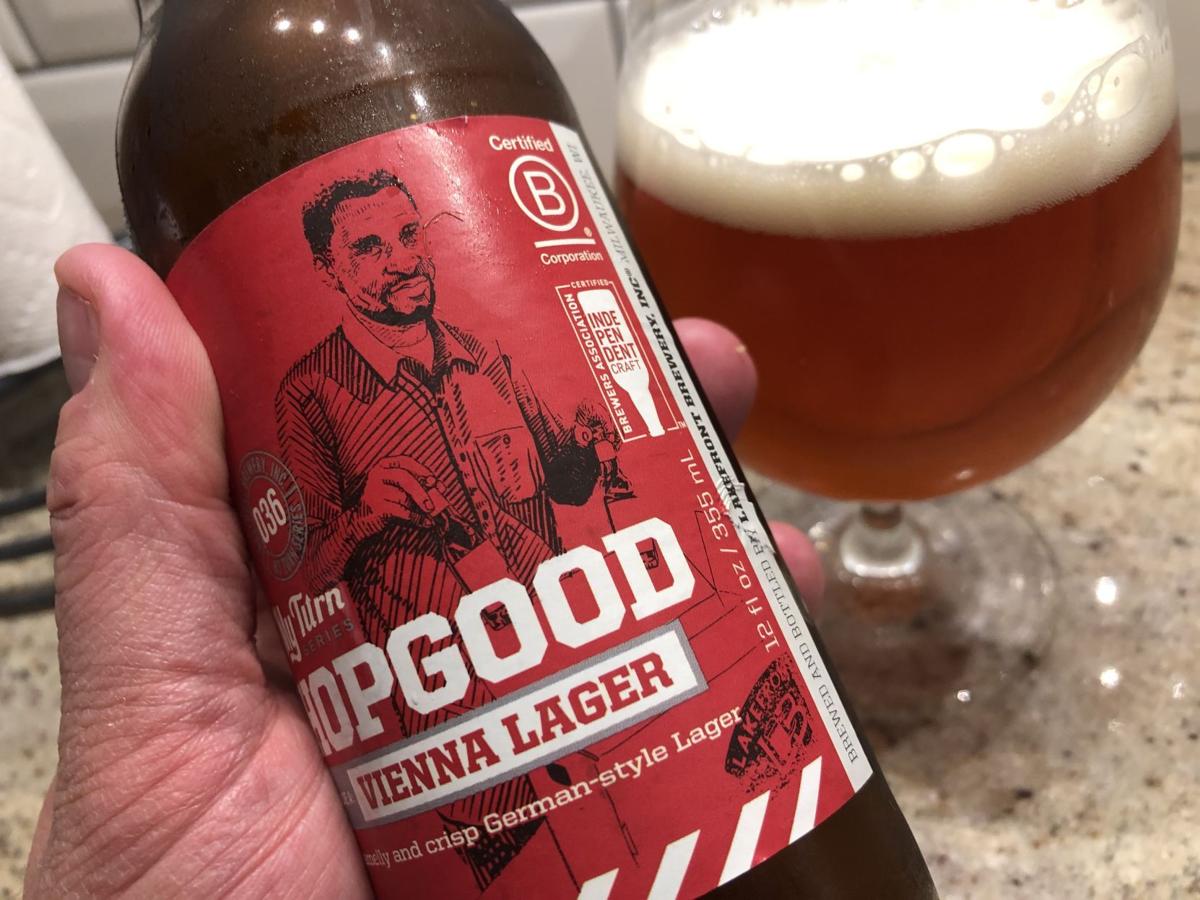
Oktoberfests get all the love every year, but a great Vienna lager can scratch that toasty-malty itch year-round. For that reason, I didn’t love that this beer from Lakefront Brewery’s My Turn series came out in fall when shelves were already loaded with beers with a similar profile. But it was still a standout: bready and flavorful but clean and balanced. Wisconsin brewers, let’s be like Lakefront warehouse employee Johnny Hopgood (his real name, a true aptonym) and make some more Vienna lagers, please!
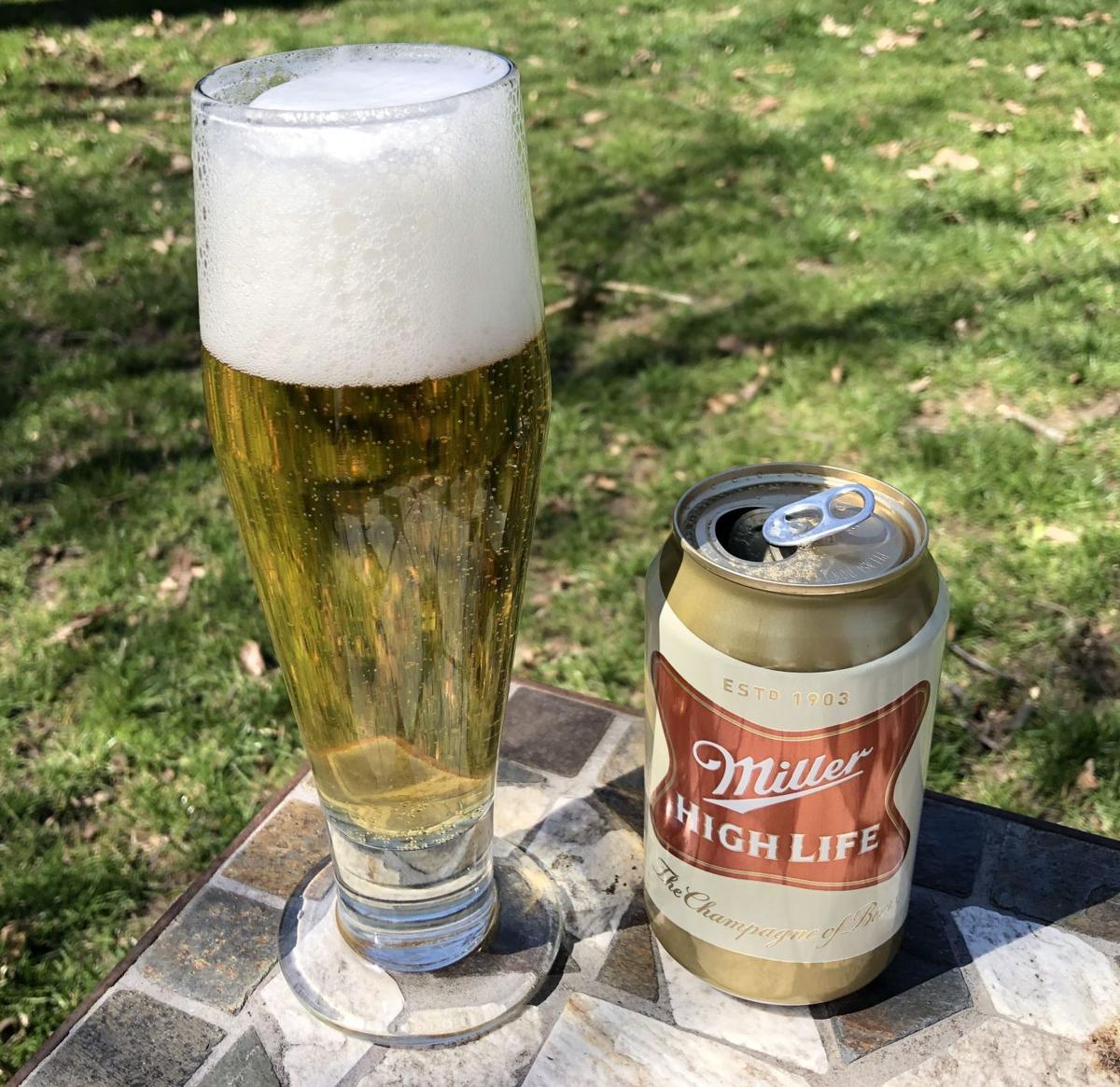
Yes, the bow on top of my 2020 Beers of the Year is a 117-year-old American light lager that you can find literally everywhere. I wrote a column in May revealing the Champagne of Beers as my “comfort beer,” a rock of palate certainty to balance the uncertainty in the world. But as the year marched on, I realized there was another factor bringing me back to High Life. On Feb. 26, a Molson Coors electrician killed five co-workers and himself at the Miller Valley brewery in Milwaukee. I feel a kinship with this beer for many reasons but the one I thought about often while buying yet another 12-pack this year was a solemn solidarity with the survivors of that day and the loved ones of the fallen: Dale Hudson, Gennady "Gene" Levshetz, Jesus “Jesse” Valle Jr., Dana Walk and Trevor Wetselaar.
Got a beer you’d like the Beer Baron to pop the cap on? Contact Chris Drosner at chrisdrosner@gmail.com or follow him on Twitter @WIbeerbaron.
February 20, 2021 at 10:45PM
https://ift.tt/3shLQMl
Beer Baron: Great Dane opens the archives, starting with a classic weizenbock - Madison.com
https://ift.tt/2NyjRFM
Beer



No comments:
Post a Comment