In the beer market, there are a number of different classifications and price tiers for beer brands. “Premium Beers” include brands like Coors Banquet and Light, Budweiser and Bud Light, Miller Genuine Draft and Miller Lite. “Below Premium” or “Sub-Premium” brands would include labels like Miller High Life, Rolling Rock, Keystone Light and Milwaukee’s Best. “Super Premium” are brands like Yuengling and Michelob Ultra.
A large section in most beer sets is devoted to the “Import” category. Legacy brands like Heineken, Corona, St. Pauli Girl, Bass Ale and Guinness have been common in any quality beer retailer. However, more and more, that ‘Imported’ beer is being produced domestically, yet still holding the extra high price from the producer.
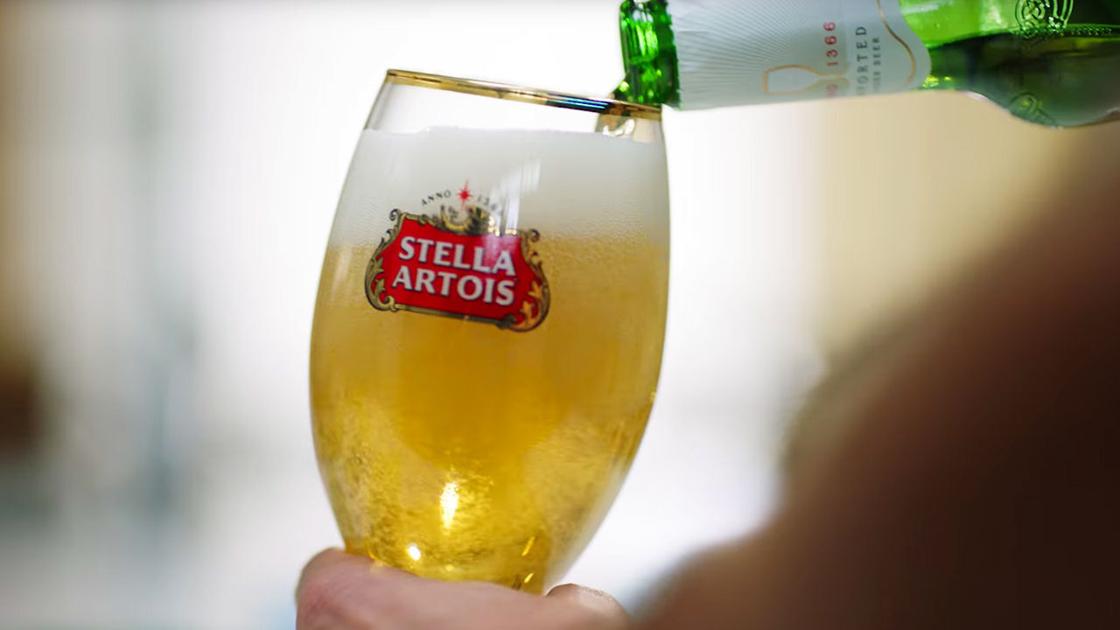
On Feb. 3, Anheuser-Busch InBev announced a $1 billion investment to upgrade its 12 breweries throughout the U.S. over the next two years. At the time of the announcement, the biggest piece of news was their desire to upgrade the facilities to produce more hard seltzers. A week later, more details came out on this plan, which includes moving production of Belgian legacy brand Stella Artois to U.S. facilities.
Stella Artois draws its linage all the way back to the year 1366 in the town of Leuven. The name Stella Artois is much younger than that, with Artois first appearing in 1708 when Sebastien Artois became head brewer at Den Hoom Brewery and Stella (or Star in English) first being attached to the brand for Christmas in 1926.
A press release from Anheuser-Busch details the $296 million investment to retool four of their breweries for the domestic production of Stella Artois by the summer of 2021. Breweries in St. Louis, Missouri, Newark, New Jersey, Jacksonville, Florida and Van Nyes, California will brew the beer for U.S. consumers.
This is not the first foreign beer to be brewed in the United States. Anheuser-Busch has produced German labels Beck’s and St. Pauli Girl and Japanese brand Kirin Ichiban in the U.S. for years. Molson Coors produces Australian label Foster’s in Texas and Georgia. Diagio brews some Guinness products in Baltimore. Heineken, the parent company of Newcastle, brews the famous English beer in Chicago.
This is a practice that is not exclusive to the brewing industry. A good example of this comes from the auto industry. German, Japanese and Korean manufactures have been making cars in the US for years. Your German BMW is likely to be built in South Carolina or your Japanese Honda is actually from Kentucky.
By brewing foreign labels in the U.S. and continuing to demand the higher price, breweries have become the target of class action lawsuits. AB InBev was sued in 2015 for misrepresenting Beck’s as a German Beer. Molson Coors has been sued for misrepresenting Foster’s as Australian and Killian’s as being Irish, even though those packages state that they are brewed in the U.S.
In their decision to brew Stella Artois in the U.S., AB InBev states that the decision will be more environmentally sustainable, cutting more than 7,000 metric tons of carbon emissions annually, help create and sustain jobs in their American factories and improve stability in a challenged supply chain. However, as you browse the import section at the liquor store, remember “Caveat emptor,” or buyer beware of just where your beer comes from.
February 12, 2021 at 12:00PM
https://ift.tt/2ZdhaiN
Beware of where your beer originates | Features | kpcnews.com - KPCnews.com
https://ift.tt/2NyjRFM
Beer



No comments:
Post a Comment